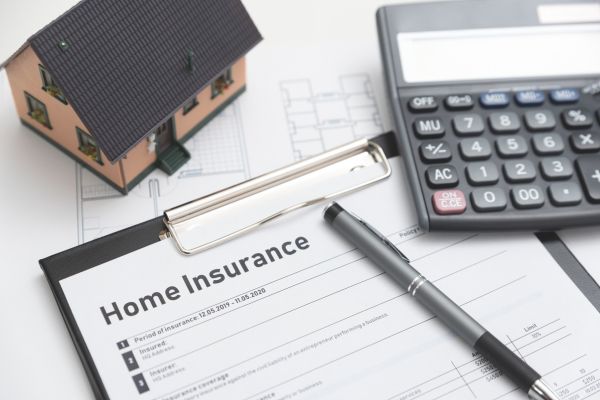
Home insurance has become one of those household decisions people no longer treat casually. A few years ago, many homeowners renewed their policy without thinking much about it. In 2026, that feels different. Rising repair costs, stronger storms, wildfire risk, higher deductibles, and stricter underwriting have made homeowners look more carefully at what they are actually paying for.
The search for the Best home insurance companies 2026 is not really about finding one perfect insurer for everyone. It is about finding the company that fits a specific home, budget, location, and level of risk. A homeowner in Florida may need something very different from a homeowner in Ohio. A family with a modest starter home may not need the same coverage as someone with a custom-built property, older roof, expensive valuables, or detached structures.
That is why the best home insurance conversation should begin with fit, not fame. Big names matter, but coverage details matter more.
Why Home Insurance Choices Matter More in 2026
Home insurance is no longer just a basic requirement from a mortgage lender. It is becoming a major part of the cost of owning a home. In many areas, premiums have climbed because insurers are paying more for labor, materials, lawsuits, storm damage, and large-scale disasters. Even homeowners with no claims can feel the pressure.
At the same time, some companies have become more selective about where they write policies. Homes in coastal zones, wildfire-prone regions, or areas with frequent hail and wind damage may face fewer options or higher deductibles. This does not mean good coverage is impossible to find, but it does mean homeowners need to compare more carefully than before.
The best home insurance companies in 2026 are usually the ones that balance financial strength, fair pricing, reliable claims handling, useful coverage options, and clear communication. A cheap policy can feel attractive at first, but if it leaves important gaps, it may become expensive later.
What Makes a Home Insurance Company Stand Out
A strong home insurance company should do more than collect premiums and send renewal notices. It should offer coverage that reflects real rebuilding costs, protect personal belongings properly, provide liability protection, and explain exclusions in plain language.
Customer service also matters. Most homeowners do not contact their insurer on ordinary days. They call after a kitchen fire, a tree falling on the roof, water damage, theft, or a major storm. That is when response time, claim clarity, and settlement fairness become more important than a small monthly savings.
Financial strength is another quiet but important factor. Homeowners want confidence that an insurer can pay claims after widespread disasters. A company with strong reserves and a long track record may be better prepared to handle large claim events.
Discounts help too, but they should not be the only reason to choose a policy. Bundling home and auto, installing security systems, using leak detectors, upgrading roofing, or staying claim-free may reduce costs. Still, the real value is in the coverage behind the discount.
Chubb for High-Value Homes
Chubb is often viewed as a strong choice for high-value homes and homeowners who want broader protection. Its policies are known for generous coverage options, especially for people with expensive homes, valuable belongings, or higher liability concerns.
For the right homeowner, Chubb can feel less like a basic policy and more like a carefully built protection plan. Features such as extended replacement cost, strong personal property coverage, and risk-management services can make a difference when a home is more complex to repair or replace.
That said, Chubb may not be the most practical fit for every household. Owners of smaller or average-priced homes may find that the coverage level is more than they need. It is best suited for people who want premium protection and are willing to pay for it.
USAA for Military Families
USAA remains one of the most respected names for military members, veterans, and eligible families. Its home insurance is often praised for strong coverage features and service that understands the needs of military households.
One reason USAA stands out is that it is built around a specific community. Military families may move often, own homes in different states, or have needs that typical insurers do not always consider. USAA’s experience with those situations gives it a clear identity in the home insurance market.
The limitation is simple: not everyone qualifies. For eligible homeowners, USAA can be one of the best options to compare. For everyone else, it becomes more of a benchmark than a practical choice.
Amica for Customer Satisfaction
Amica is frequently mentioned when people talk about service quality. For homeowners who care deeply about claims support, communication, and overall customer experience, Amica deserves attention.
A home insurance policy is not just paperwork. It is a promise that becomes real during stressful moments. Amica’s reputation is built around that human side of insurance. Homeowners who prefer direct service and a more personal experience may appreciate its approach.
Amica may not always be the cheapest option, and its direct-to-consumer model may not suit people who want an independent agent to shop multiple carriers for them. Still, for those who value service and trust, it is a company worth reviewing.
NJM for Regional Homeowners
NJM is a good reminder that the best home insurance company does not always have to be a nationwide giant. In the states where it operates, NJM has earned attention for strong coverage and customer service.
Regional insurers can sometimes offer a better local understanding of weather risks, rebuilding costs, and state-specific insurance rules. That local focus may help homeowners who want practical coverage without dealing with a massive national carrier.
The obvious drawback is availability. NJM is not an option everywhere. But for homeowners in its service area, it belongs on the comparison list.
State Farm for Broad Availability
State Farm remains one of the most familiar names in home insurance, and its size gives it a practical advantage. Many homeowners like having access to local agents, a broad digital platform, and multiple coverage options from a company with a large national presence.
For people who prefer in-person guidance, State Farm can be appealing. A local agent can explain coverage limits, endorsements, deductibles, and discounts in a way that feels more personal than an online-only quote process.
However, bigger does not automatically mean better for every homeowner. Claims experiences can vary, and pricing depends heavily on location, home condition, credit factors where allowed, and coverage choices. State Farm is often worth comparing, but it should not be chosen blindly just because the name is familiar.
The Hartford and Other Strong Contenders
The Hartford is another company homeowners may see in discussions about claims satisfaction and mature policyholder needs. It can be especially relevant for older homeowners or those who value established service channels.
Other insurers may also be strong depending on the state. Erie, Nationwide, American Family, Travelers, Auto-Owners, and regional mutual companies can all be competitive in certain markets. In home insurance, geography matters a lot. A company that is excellent in one state may be average, expensive, or unavailable in another.
That is why any list of the best home insurance companies of 2026 should be treated as a starting point, not a final answer.
How to Compare Home Insurance Companies Wisely
The smartest way to compare home insurance is to use the same coverage limits for every quote. Otherwise, one company may look cheaper only because it is offering less protection. Homeowners should check dwelling coverage, personal property coverage, liability limits, loss-of-use coverage, deductibles, and optional endorsements.
It is also important to look at exclusions. Standard homeowners insurance often does not cover flooding, earthquakes, routine wear and tear, pest damage, or certain types of ground movement. In high-risk areas, wind, hail, wildfire, or roof coverage may come with special rules.
A lower premium is helpful, but it should not come at the cost of being underinsured. Rebuilding a home after a disaster is expensive, and market value is not the same as reconstruction cost. The better question is not “Which company is cheapest?” but “Which company gives me the strongest protection for a price I can manage?”
Reading the Policy Before Trouble Starts
Many homeowners only read their policy after something goes wrong. By then, it is too late to change the details. A better habit is to review the policy before renewal every year.
Look at the dwelling limit and ask whether it still matches current rebuilding costs. Check whether personal belongings are covered at replacement cost or actual cash value. Review jewelry, electronics, collectibles, tools, and business equipment if those items matter in the household.
Homeowners should also ask about water backup, service line coverage, equipment breakdown, identity theft protection, ordinance or law coverage, and extended replacement cost. These options may not be necessary for everyone, but they can be valuable in the right situation.
Conclusion
The Best home insurance companies 2026 are not defined by one ranking or one price comparison. Chubb may be ideal for high-value homes. USAA can be excellent for eligible military families. Amica stands out for service-minded homeowners. NJM may be a smart regional pick. State Farm offers broad access and local agent support. The Hartford and other established insurers may also fit certain households well.
In the end, the best company is the one that protects your home clearly, responds fairly when you need help, and offers coverage that matches the real risks around you. Home insurance is not the most exciting part of owning a home, but it is one of the most important. A careful choice in 2026 can bring something every homeowner needs more of: a little peace of mind when life becomes unpredictable.