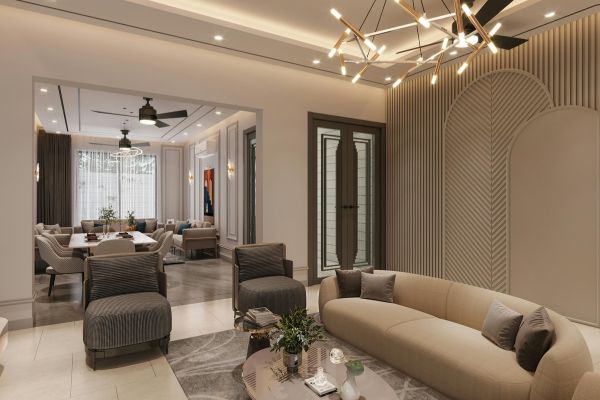
Lighting is one of those home details that often gets noticed only when it is wrong. A room may be beautifully decorated, but if the light feels harsh, uneven, or too dim, the space never quite settles. In a family home, this matters even more. The same room may need to handle breakfast, homework, playtime, conversation, cleaning, and late-night quiet, sometimes all in one day.
The best lighting ideas for family homes are not simply about choosing attractive fixtures. They are about creating rooms that feel comfortable, support everyday tasks, and adapt as family routines change. Good lighting should make a home easier to live in while still giving it warmth and character.
Begin With the Way Each Room Is Actually Used
Before thinking about lamps, pendants, or wall lights, pay attention to how your family moves through the house. A living room may look like a place for relaxing, but in reality, one corner might be used for reading while another becomes a play area. The dining table may double as a desk, craft station, and place for family meals.
Lighting works best when it responds to these real habits rather than an idealized version of the room.
Walk through the house at different times of day. Notice where natural light is strongest, which areas become shadowy, and where people naturally gather. You may discover that a single central ceiling light is trying to do too much. Most family spaces benefit from several sources of light placed at different heights.
This layered approach feels softer, but it is also more practical. It allows one part of a room to remain bright while another feels calm.
Use Layers Instead of Relying on One Main Light
A warm, functional room usually combines three types of lighting: general light, task light, and accent light. These do not need to be complicated or perfectly symmetrical.
General lighting provides the overall brightness of the room. It may come from ceiling fixtures, recessed lights, or large pendants. Task lighting focuses on specific activities, such as reading, preparing food, or helping with homework. Accent lighting adds atmosphere and highlights shelves, artwork, architectural details, or quiet corners.
When all three layers work together, a room feels more natural. The ceiling light can be used when the family is busy, while lamps and wall lights create a gentler mood in the evening.
This is especially useful in open-plan homes, where one large space may contain several different activity zones. Lighting can help define those areas without adding walls or visual clutter.
Make the Living Room Flexible
The living room tends to carry the most emotional weight in a family home. It is where people gather, unwind, talk, watch television, read, and occasionally fall asleep on the sofa. Its lighting needs to feel adaptable rather than formal.
Start with a central or overhead light that provides enough brightness for cleaning and active family time. Then soften the room with floor lamps and table lamps. A floor lamp beside a reading chair creates a clear purpose for that corner, while a small lamp on a side table makes evening conversations feel more intimate.
Avoid placing every light source at ceiling height. Lower lighting creates warmth because it brings the glow closer to where people are sitting.
In homes with young children, choose stable lamps with heavy bases and keep cords tucked away from walkways. Wall-mounted lights can also be useful because they provide soft illumination without taking up floor or table space.
Give the Kitchen Bright, Even Light
The kitchen needs a different kind of lighting. Warmth is still important, but visibility comes first. Food preparation, cooking, cleaning, and checking ingredients all require clear, even light.
Ceiling lighting should brighten the entire room without leaving dark patches. However, overhead light alone often casts shadows on work surfaces, especially when someone stands between the fixture and the counter.
Under-cabinet lighting helps solve this problem. It illuminates chopping areas, sinks, and countertops directly, making everyday kitchen work easier. The light should feel clear but not aggressively bright.
Pendant lights can work well above an island or breakfast counter, particularly when the family gathers there. Their height matters. If they hang too low, they interrupt sightlines; if they sit too high, they lose their visual connection with the surface below.
A kitchen that opens into a dining or living area should use light that relates to the surrounding rooms. The fixtures do not need to match, but the color temperature and overall mood should feel connected.
Create a Welcoming Dining Area
Dining rooms and breakfast areas benefit from focused lighting that draws attention to the table. A pendant or chandelier centered above the table creates a natural gathering point and helps the area feel distinct.
The fixture should provide enough light for meals without making the table feel exposed. A dimmer is especially useful here. Brighter light works for homework, crafts, and busy breakfasts, while lower light feels more relaxed during dinner.
Consider the size and shape of the table when choosing a fixture. A long table may suit a linear pendant or a pair of smaller lights, while a round table often works well with a single central fixture.
The goal is not to create a dramatic showroom effect. In a family home, dining lighting should make people comfortable enough to stay at the table a little longer.
Support Homework and Reading With Focused Light
Children and adults both need good task lighting for reading, writing, studying, and computer work. A room may appear bright overall while still leaving the actual work surface in shadow.
Desk lamps should direct light across the page without producing glare. For right-handed users, placing the lamp on the left can reduce shadows, while left-handed users may find the opposite position more comfortable.
A lamp with an adjustable head allows the lighting to change as the desk is used for different activities. This is useful in shared spaces where the same table may be used for schoolwork, puzzles, sewing, or household paperwork.
Reading areas also benefit from directional light. A lamp beside the sofa or chair should shine over the shoulder rather than directly into the eyes. The light needs to be close enough to illuminate the book without flooding the entire room.
These small details often make family spaces feel noticeably easier to use.
Keep Bedrooms Soft but Practical
Bedrooms should feel calm, but they still need enough light for dressing, reading, tidying, and early mornings.
A central ceiling fixture can provide general illumination, while bedside lamps create a softer evening atmosphere. Wall-mounted reading lights are useful in smaller rooms because they leave bedside tables clear.
In children’s bedrooms, gentle night lighting can help with bedtime routines and nighttime waking. The glow should be low and warm rather than bright enough to stimulate the room. A strong blue-white light can make it harder for the space to feel restful.
Wardrobes and dressing areas may need extra lighting, particularly in rooms with limited daylight. A well-lit mirror and clear storage lighting reduce the daily search for matching socks, school clothes, or that one missing jumper.
The best bedroom lighting feels quiet, but it should never make ordinary tasks difficult.
Make Hallways and Stairs Safer
Hallways and staircases are easy to overlook because people rarely spend time there. Still, these areas need careful lighting, particularly in busy homes.
Stairs should be evenly illuminated from top to bottom. Shadows on steps can create a safety risk, especially for children, older relatives, or anyone moving through the house at night.
Wall lights, low-level stair lights, or softly lit landings can improve visibility without making the space feel clinical. Motion sensors can also be useful in hallways, utility rooms, and entrances where people often have their hands full.
A small lamp in an entryway adds warmth and creates a more welcoming first impression. It can also provide enough light for keys, shoes, bags, and last-minute checks before leaving the house.
Choose a Comfortable Color Temperature
Light color has a major effect on how a home feels. Warm white light tends to create a comfortable, relaxed atmosphere, while cooler light can feel sharper and more energetic.
Living rooms, bedrooms, and dining areas usually suit warmer tones. Kitchens, bathrooms, and work areas may benefit from slightly clearer light, though extremely cool bulbs can make a family home feel harsh.
Consistency matters. When one room has very warm light and the next has icy blue light, the transition can feel jarring. Aim for a generally connected tone across the home, with only subtle variations according to function.
It is also worth checking how the light affects paint, flooring, and fabrics. A wall color that looks soft in daylight may appear yellow, grey, or overly dark under the wrong bulb.
Use Dimmers to Adjust the Mood
Dimmers are one of the simplest ways to make lighting more flexible. They allow the same fixture to support different moments throughout the day.
Bright light may be needed during cleaning, homework, or family activities. Later, the level can be reduced for dinner, television, or quiet conversation.
Dimmers are especially helpful in open-plan spaces, bedrooms, dining rooms, and living rooms. They reduce the need for multiple fixtures to remain on and make it easier to change the atmosphere without rearranging anything.
Not every bulb is compatible with every dimmer, so it is important to use suitable fittings. When the combination works properly, the change feels smooth rather than flickering or buzzing.
Let Natural Light Remain Part of the Plan
Artificial lighting should work with daylight rather than replace it entirely. Keep windows as open as privacy allows, and avoid blocking natural light with oversized furniture or heavy window treatments.
Mirrors can help reflect daylight into darker corners, while pale surfaces may make a room feel brighter without adding stronger bulbs.
At the same time, family homes need control over glare and heat. Sheer curtains, blinds, or layered window coverings allow the light to change throughout the day.
The most comfortable rooms often shift naturally. They feel bright and active in the morning, balanced in the afternoon, and softer by evening.
Build a Home That Changes With the Day
The most effective lighting ideas for family homes are flexible, layered, and closely connected to everyday life. A home does not need dozens of expensive fixtures to feel well lit. It needs light in the places where people cook, read, gather, move, rest, and work.
Start with function, then add warmth. Use overhead lighting for visibility, task lighting for concentration, and lower lamps or wall lights for comfort. Pay attention to shadows, bulb temperature, safety, and the changing rhythm of the day.
When lighting is planned thoughtfully, it almost disappears into the background. Rooms simply feel easier to use, more welcoming, and more settled. That is usually the clearest sign that the lighting is doing its job.