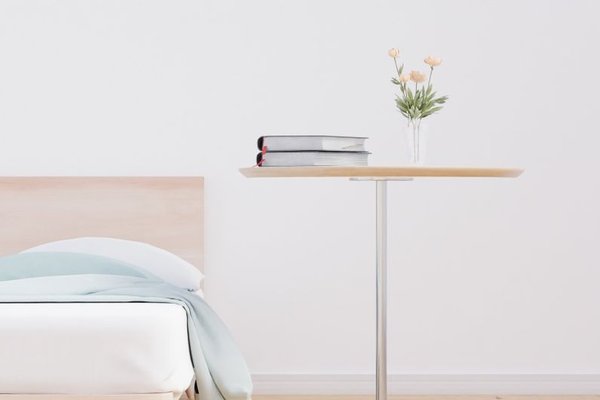
For years, interior style seemed to demand a firm choice. You either embraced minimalism, with its pale walls, clean lines and edited surfaces, or leaned into maximalism, filling rooms with colour, pattern and visual drama. In 2026, a more flexible middle ground is taking shape. The midimalism interior style offers the calm of a restrained room without asking you to remove every object that gives your home character.
This emerging look feels especially suited to UK homes, where rooms often need to be practical, comfortable and personal at the same time. Midimalism is not simply “a bit of both.” It is a thoughtful approach in which every layer earns its place. The result is warm rather than stark, expressive rather than chaotic, and polished without feeling staged.
What Is Midimalism Interior Style?
Midimalism sits between the visual quiet of minimalism and the rich personality of maximalism. It keeps a sense of order, breathing space and cohesion, but introduces more colour, texture, art and sentimental detail than a strictly minimalist scheme would allow.
The key word is intention. A midimalist room may contain vintage furniture, patterned cushions, books, ceramics and framed artwork, yet it will not feel crowded. Instead of displaying everything at once, the homeowner selects pieces that contribute to the mood or tell a meaningful story. This makes midimalism decor feel collected over time rather than purchased as a matching set.
It also reflects the way people actually live. Perfectly empty surfaces can look beautiful in photographs but feel unrealistic in a busy household. Midimalism leaves room for everyday objects and the gentle imperfections of home life while maintaining enough structure to remain visually restful.
Why Midimalism Feels Right for 2026
Current interiors are moving towards warmth, tactility and individuality. Flat grey schemes and sharply pared-back rooms are giving way to natural materials, softer neutrals, curved forms and decorative details with emotional value. Midimalism brings these ideas together in a format that is easier to live with than either extreme.
There is also a growing preference for homes that feel personal rather than showroom-perfect. A room assembled from inherited pieces, travel finds, favourite artwork and well-made modern furniture has more depth than one copied directly from a catalogue. Midimalism supports that individuality while providing enough discipline to prevent visual noise.
For anyone who loves Scandinavian serenity but finds pure minimalism too cold, this calm interior style offers a natural next step. It equally suits people drawn to colour and pattern who still want balanced, easy-to-live-in rooms.
The Principles Behind a Successful Midimalist Room
Start with a calm foundation
A restrained base gives expressive elements space to shine. Warm white, soft beige, muted clay, gentle olive and pale taupe can all create a relaxed backdrop. Neutral does not have to mean colourless; it simply means the largest surfaces are not competing for attention.
Add deeper shades through furniture, textiles and artwork. Repeating an accent colour in two or three places helps the room feel connected without becoming overly coordinated.
Layer texture before adding objects
Texture is central to the midimalism interior style because it creates richness without clutter. Linen curtains, a wool rug, timber furniture, glazed ceramics and a softly upholstered chair can make a simple palette feel dimensional.
Mix smooth and tactile finishes: polished stone with aged wood, crisp cotton with boucle, or painted cabinetry with handmade tiles. The contrast brings quiet interest and supports the texture and material styling that defines the look.
Choose focal points carefully
Midimalism is selective. Choose one clear focal point, such as a patterned armchair, sculptural pendant, gallery arrangement or antique cabinet, then allow surrounding pieces to play supporting roles. When the eye knows where to rest first, even a layered room can feel calm.
Display meaningful pieces
Intentional home styling requires editing, not ruthless decluttering. Begin with objects that have genuine value to you: a family photograph, handmade bowl, favourite book, vintage lamp or artwork bought on a memorable trip. Grouping a few related pieces usually looks stronger than scattering small items around the room.
Leave open space on shelves, sideboards and walls. Negative space gives each displayed object greater presence. You can also rotate collections seasonally, keeping the room fresh without buying more.
How to Create a Minimalist Maximalist Mix
The most convincing minimalist maximalist mix is built gradually. Begin with the practical elements the room needs, then add personality in controlled layers. A simple sofa, clean-lined table or understated bed can anchor the scheme, while cushions, lamps, art and occasional furniture introduce colour and individuality.
Pattern works best when the designs share a connection. Combine a small floral print with a wider stripe, or use different motifs that repeat one dominant colour. Varying the scale prevents visual confusion. If the room already has bold wallpaper or a statement rug, keep some upholstered pieces quieter.
Old and new furniture can sit comfortably together. A contemporary sofa beside a vintage side table feels more natural than a complete matching suite. The contrast adds history and avoids the overly styled appearance that midimalism is designed to escape.
Common Midimalism Mistakes to Avoid
The first mistake is treating midimalism as permission to keep adding. The style welcomes more personality than minimalism, but it still depends on editing. When every shelf and surface is full, the sense of calm disappears.
Another problem is using too many unrelated colours. A limited palette creates cohesion even when furniture and accessories come from different periods. Choose a few core shades and repeat them subtly.
Finally, avoid following the trend so precisely that the room loses its connection to you. Midimalism should reflect your routines, tastes and memories. A beautiful object that means nothing to you is less valuable than a modest piece you genuinely enjoy every day.
Frequently Asked Questions
Is midimalism the same as maximalism?
No. Maximalism celebrates abundance, strong contrast and dense layering, while midimalism uses colour, pattern and personal objects more selectively. It preserves a visible sense of order and breathing room.
Can midimalism work in a small UK home?
Yes. Careful curation makes it well suited to compact rooms. Keep pathways clear, select one main focal point and display fewer, larger objects instead of many tiny accessories.
What colours suit midimalism decor?
Warm neutrals such as cream, taupe, soft brown and muted stone are useful foundations. Add richer accents including olive, rust, burgundy, ochre or deep blue. The exact palette matters less than keeping it coherent.
Do I need new furniture to achieve the look?
Not necessarily. Edit what is on display, rearrange furniture, add texture through textiles and combine older items with a few contemporary accents.
A More Personal Kind of Balance
The appeal of the midimalism interior style lies in its refusal to make comfort and character compete with calm. It offers a framework rather than rigid rules: keep what matters, create space around it and build depth through colour, texture and thoughtful contrast.
In 2026, that balance feels timely. Homes are becoming less about performing a perfect aesthetic and more about supporting real life with warmth and individuality. Midimalism allows a room to feel considered without becoming precious, expressive without becoming exhausting, and unmistakably personal without losing its sense of peace.