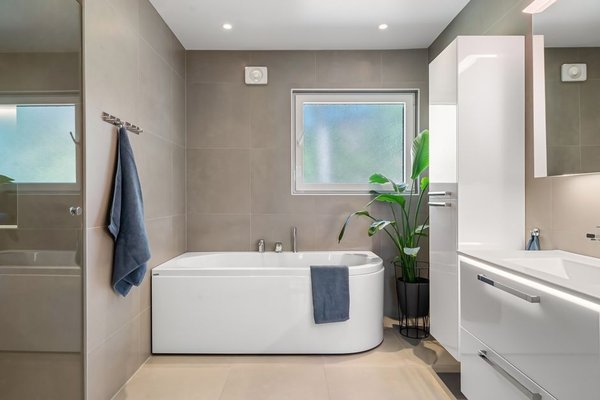
A steamy mirror after a shower is normal. Water running down the window every morning, damp towels that never dry, or black spots returning around the ceiling suggest moisture is lingering too long. This bathroom ventilation guide looks beyond buying a bigger fan: the goal is to give wet air a reliable way out and damp surfaces a chance to dry.
Good bathroom mould prevention combines extraction, replacement air, sensible shower habits and attention to cold surfaces. Each part matters in a compact bathroom used several times a day.
Why Bathroom Condensation Keeps Coming Back
Showers release water vapour into warm air. When it touches cooler glass, tile or exterior walls, the vapour condenses into droplets. A little temporary mist is normal; moisture remaining on grout, paint and window frames for hours can become a problem.
Look for patterns. Does the mirror clear soon after showering? Is the window still wet at lunchtime? Does a musty smell appear when the door stays shut? These clues help distinguish ordinary bathroom condensation from persistent damp. A plumbing leak or water entering through the building fabric needs repair, not simply more ventilation.
Give Moist Air a Clear Way Out
Use an Extractor Fan That Vents Outdoors
A bathroom extractor should discharge moist air outside, not into an attic, roof space or enclosed cavity. Otherwise, the bathroom may look drier while hidden areas accumulate moisture. Check the duct route before assuming the fan works properly.
Extractor fan airflow is commonly measured in cubic feet per minute (CFM) or litres per second. As general sizing guidance, the Home Ventilating Institute recommends at least 50 CFM for smaller bathrooms and roughly 1 CFM per square foot for many bathrooms up to 100 square feet. These are benchmarks, not substitutes for local building requirements or professional assessment.
Long ducts, sharp bends, crushed tubing and blocked exterior outlets reduce actual airflow. A quiet, correctly ducted fan often performs better than a powerful model connected to a restrictive duct.
Make Sure Fresh Air Can Enter
An extractor cannot move much air out if replacement air has no path in. An appropriate gap below the door or purpose-designed transfer grille may help, depending on the ventilation design. Do not block existing vents. In homes with whole-house mechanical ventilation, follow the system’s intended airflow arrangement.
Run the Fan Long Enough
Switch the fan on when the shower starts, then leave it running for around 20 to 30 minutes afterward as a starting point. A timer or humidity-sensing control helps prevent early switch-off. If surfaces stay wet, investigate airflow and drying conditions rather than simply extending the runtime indefinitely.
What Windows Can and Cannot Do
Opening a window can clear moisture when outdoor air is drier than indoor air. It is less dependable on still, humid days and may not suffice for a busy bathroom. Use appropriate extraction and regard window opening as an extra measure.
In cold weather, a brief opening may be more practical than leaving a window ajar while the room becomes chilly. Cold surfaces encourage condensation, so reasonable warmth matters too. If you’re renovating, consider ventilation alongside bathroom window treatments and layout decisions.
Small Habits That Reduce Bathroom Humidity
Ventilation removes airborne moisture, but it works faster when there is less standing water to evaporate. After showering, squeegee water from screens and tiles, wipe window sills, hang towels separately, and spread out the shower curtain instead of leaving it folded. Dry wet bathmats and repair dripping taps or leaking seals promptly.
Keep air moving around furniture and storage. A tall cabinet pressed against a cold exterior wall can conceal dampness. When considering bathroom storage ideas, leave vulnerable corners accessible for inspection and cleaning.
A small hygrometer shows whether bathroom humidity falls toward its usual level after bathing. The US Environmental Protection Agency recommends keeping indoor relative humidity below 60%, ideally between 30% and 50% where practical. Brief spikes during a shower are expected; persistently high readings afterward warrant investigation.
A Practical Test for a Busy Family Bathroom
Imagine a windowless bathroom used by three people between 7:00 and 8:00 a.m. Its extractor switches off with the light, and the last person closes the door. At noon, towels are damp and droplets remain near the ceiling. The culprit may be limited fan runtime, restricted incoming air, poor ducting or several factors together.
For one week, turn the fan on for each shower and use a timer afterward. Squeegee the wettest surfaces and hang towels to dry. Record humidity before bathing and about half an hour after the final shower. If the room still stays damp, ask a qualified installer to assess airflow, the outdoor outlet and replacement air. This test is more useful than guessing which new fan to buy.
When Ventilation Alone Will Not Solve Damp
Recurring mould in one spot may indicate a cold bridge, hidden leak, failed waterproofing or water entering from outside. Blistered paint, swollen trim or soft plaster deserve investigation. Clean small patches on suitable hard surfaces, dry thoroughly and correct the moisture source; do not paint over active mould.
If mould covers a substantial area, repeatedly returns or involves damaged porous materials, seek professional help. A bathroom renovation checklist should address waterproofing, insulation, extraction and electrical safety. Electrical work near showers and baths must meet applicable safety rules and should be handled by qualified professionals.
Frequently Asked Questions
Is an extractor fan necessary if the bathroom has a window?
A window can help, but its effectiveness varies with weather and how often it is opened. Mechanical extraction provides more predictable moisture removal and may be required by local regulations.
How long should I leave the bathroom fan running after a shower?
About 20 to 30 minutes is a useful initial routine. Some rooms need different settings. Assess how quickly humidity falls and surfaces dry, not just how long the fan runs.
Why is there mould even when the extractor works?
The fan may be undersized, obstructed, poorly ducted or short of replacement air. Cold surfaces and leaks may also contribute. Check the whole moisture pathway.
Will a dehumidifier replace bathroom ventilation?
A dehumidifier may support moisture control, but it cannot replace properly designed ventilation or fix a leak. Keep portable electrical equipment away from wet zones and follow manufacturer safety instructions.
A Drier Bathroom Starts With a Routine
The most reliable approach combines outdoor extraction, replacement air, prompt surface drying and attention to anything that remains wet. When those measures work together, bathroom condensation becomes easier to manage, and mould has fewer opportunities to return.