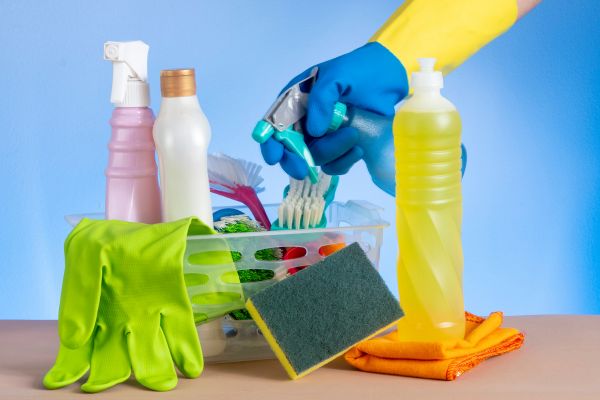
A Cleaner Home With a Lighter Footprint
Keeping a home clean has always been tied to comfort. There is something satisfying about a freshly wiped counter, a bathroom that smells clean, or floors that feel good under bare feet. But in recent years, more people have started looking beyond the shine and scent. They are asking what happens after a cleaner goes down the drain, what ingredients linger in indoor air, and how everyday household habits affect the wider environment.
That is where biodegradable cleaning products for homes have become part of the conversation. These products are designed to break down more naturally after use, reducing the long-term burden on waterways, soil, and waste systems. They are not about making cleaning complicated or turning every chore into an environmental statement. At their best, they simply offer a more thoughtful way to do something every household already does.
What Biodegradable Really Means
The word “biodegradable” sounds simple, but it is worth understanding properly. A biodegradable product is made with ingredients that can be broken down by natural processes, usually through the action of bacteria, fungi, and other microorganisms. Over time, these substances return to simpler elements rather than remaining as persistent pollutants.
In household cleaning, this often refers to surfactants, solvents, fragrances, and other active ingredients that wash away after use. Traditional cleaners may contain chemicals that work well on grease, stains, and grime but do not always break down easily once they leave the home. Biodegradable alternatives aim to reduce that problem by using ingredients that are less likely to remain in the environment for long periods.
Still, biodegradable does not automatically mean perfect, harmless, or suitable for every surface. A product can be biodegradable and still require careful use. Concentrated formulas, essential oils, acids, and disinfecting agents all need proper handling. The label matters, but so does common sense.
Why Homes Are Moving Toward Gentler Cleaning
A shift toward biodegradable cleaners is partly environmental, but it is also personal. Many homes today are more sealed and insulated than older ones, which can make indoor air quality more noticeable. Strong chemical smells, artificial fragrances, and harsh residues can feel overwhelming, especially in kitchens, bathrooms, nurseries, and small apartments.
Gentler cleaning products often appeal to households that want fewer aggressive ingredients around children, pets, or people with sensitivities. While no cleaner should be treated casually, products with plant-based or mineral-based ingredients may feel less intrusive during everyday use.
There is also the question of habit. Cleaning is not a once-a-year task. It happens constantly, in little moments: wiping spills, washing dishes, mopping floors, scrubbing sinks, freshening laundry. When repeated over months and years, even small choices can add up. Choosing biodegradable cleaning products for homes is one way to make those routine actions a bit more responsible without completely changing how a household runs.
How These Products Work in Everyday Spaces
Biodegradable cleaning products are available for nearly every part of the home. In the kitchen, they are commonly used for dishwashing liquids, surface sprays, degreasers, and floor cleaners. These areas need products that can cut through oil and food residue without leaving behind heavy chemical odors.
Bathrooms can be more challenging because soap scum, mineral buildup, and moisture create stubborn cleaning problems. Many biodegradable bathroom cleaners use ingredients such as citric acid, lactic acid, baking soda, or plant-derived surfactants to loosen grime. They may require a little more contact time than very harsh formulas, but they can be effective when used consistently.
Laundry is another area where biodegradable formulas have become popular. Detergents made with plant-based surfactants can clean fabrics while reducing the environmental load of wash water. Fragrance-free or lightly scented versions are especially useful for households that want clothes to smell fresh without a heavy perfume trail.
Even general cleaning sprays have improved a lot. Many are now designed for countertops, sealed wood, tile, glass, and appliances. The key is matching the cleaner to the surface rather than assuming one product can do everything.
Ingredients Worth Recognizing
Reading a cleaning label can feel like trying to understand a tiny chemistry lesson, but a few common ingredients are easy to recognize. Plant-based surfactants, often derived from coconut, corn, or sugar, help lift dirt and oils from surfaces. Citric acid, commonly found in citrus fruits, helps tackle mineral deposits and soap scum. Baking soda can help with odors and light abrasion. Vinegar is sometimes used for glass, hard water marks, and general freshness, though it is not suitable for every surface.
Essential oils may appear in biodegradable cleaners as fragrance sources, but they should still be treated with care. Natural does not always mean gentle for every person or pet. Some oils can irritate skin or affect animals, especially in concentrated amounts.
It is also useful to look for transparency. A label that clearly explains what is inside the bottle inspires more trust than one covered in vague green-sounding language. Phrases like “eco,” “natural,” and “green” are easy to print. Specific ingredient details are more meaningful.
The Problem With Greenwashing
As interest in eco-friendly homes has grown, so has greenwashing. Some products use earthy colors, leaf graphics, and soft language to look sustainable without offering much substance. A bottle may appear environmentally responsible while still containing ingredients that are not very different from conventional cleaners.
This is why shoppers need to look beyond the front label. Certifications, ingredient lists, refill options, and packaging details can all provide clues. A biodegradable formula is helpful, but the overall product matters too. Is the bottle recyclable? Is there a concentrated refill? Are unnecessary dyes or strong fragrances included? Does the company explain its claims clearly?
For a household trying to make better choices, perfection is not required. The goal is not to investigate every bottle as if preparing a legal case. It is simply to become a little more alert. Over time, that awareness makes it easier to spot products that genuinely fit an eco-friendly lifestyle.
Performance Still Matters
One common worry is that biodegradable cleaners may not work as well as conventional ones. Years ago, that concern was more understandable. Some early eco-friendly formulas were mild to the point of being frustrating. They smelled pleasant but struggled with real kitchen grease or bathroom buildup.
Modern biodegradable cleaners are much better. Many perform well for daily and weekly cleaning, especially when used before dirt becomes deeply set. The main difference is that they sometimes work best with patience. Letting a spray sit for a few minutes, using warm water, or wiping with a microfiber cloth can make a noticeable difference.
For heavy mold, serious disinfection needs, or tough restoration jobs, specialized products may still be necessary. Eco-friendly cleaning does not mean pretending every situation is the same. It means using the least harsh effective option for the task at hand and saving stronger chemicals for moments when they are truly needed.
Packaging and Waste Matter Too
A biodegradable formula is only one part of the environmental picture. Packaging also plays a major role. A cleaner that breaks down safely but comes in a new plastic bottle every few weeks still creates waste. This is why refillable bottles, concentrated tablets, powder cleaners, and bulk refill systems are becoming more common.
Concentrates can be especially practical. Instead of shipping mostly water, they allow households to mix the cleaner at home. This can reduce packaging, storage space, and transport impact. Tablets and powders work in a similar way, though quality varies from product to product.
Simple habits help as well. Using washable cloths instead of disposable wipes, choosing durable spray bottles, and buying only what is actually needed can make a cleaning routine less wasteful. Sometimes sustainability is less about the product itself and more about how it is used.
Building a Practical Eco-Friendly Cleaning Routine
Switching to biodegradable cleaning products for homes does not need to happen overnight. In fact, it often works better as a gradual change. When one conventional product runs out, replace it with a biodegradable version and see how it performs. Start with the products used most often, such as dish soap, laundry detergent, surface spray, and floor cleaner.
It also helps to reduce clutter under the sink. Many homes have too many specialized cleaners, half-used bottles, and duplicate products. A simpler set of reliable cleaners can handle most routine tasks. A good dish soap, an all-purpose spray, a bathroom cleaner, a laundry detergent, and a floor cleaner are enough for many households.
Storage matters too. Even biodegradable products should be kept away from children, pets, heat, and direct sunlight. Labels should stay readable, and products should not be mixed casually. Vinegar and bleach, for example, should never be combined. Eco-conscious cleaning still needs basic safety.
A More Thoughtful Kind of Clean
The appeal of biodegradable cleaning products is not just that they are better after they go down the drain. It is that they encourage a different mindset at home. Cleaning becomes less about overpowering dirt with the strongest possible scent and more about maintaining a space that feels healthy, calm, and cared for.
A truly clean home should not leave people coughing from fumes or wondering what residue is sitting on the table where food is prepared. It should feel livable. Fresh. Balanced. Biodegradable products can support that feeling when chosen carefully and used well.
They also fit naturally into other eco-friendly habits, such as conserving water, reducing plastic, improving ventilation, and choosing durable household goods. None of these changes has to be dramatic. Small, steady improvements are often the ones that last.
Conclusion
Biodegradable cleaning products for homes offer a practical way to care for living spaces while reducing unnecessary environmental impact. They are not a magic solution, and they still require thoughtful selection, safe use, and realistic expectations. But they do make everyday cleaning feel more connected to the bigger picture.
A clean home should support comfort without creating hidden costs for the air, water, and world outside the front door. Choosing biodegradable cleaners is one quiet step in that direction. It keeps the familiar rhythm of household care, but softens its footprint. And in a home that is cleaned week after week, year after year, that kind of choice matters.