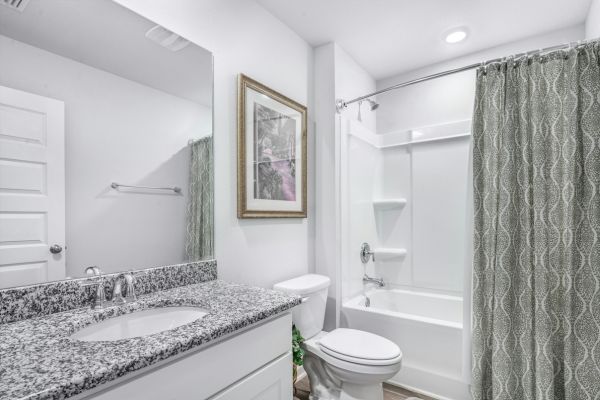
A bathroom renovation can feel exciting at the beginning. There are tiles to choose, mirrors to imagine, lighting styles to compare, and endless photos that make every layout look effortless. But once the work starts, the bathroom quickly proves that it is not just another room with pretty finishes. It is a hardworking space full of plumbing, moisture, storage needs, safety details, and daily routines that must all come together properly.
That is why even small mistakes can become frustrating later. A beautiful bathroom can still feel uncomfortable if the layout is awkward. Expensive tiles can lose their charm if the lighting is poor. A stylish vanity can become annoying if there is nowhere to store everyday items. Many bathroom renovation mistakes to avoid are not about taste. They are about planning, proportion, practicality, and understanding how the room will actually be used.
A good renovation does not need to be overly complicated, but it does need careful thinking before the first tile is removed.
Starting Without a Clear Plan
One of the biggest bathroom renovation mistakes is beginning with inspiration instead of a proper plan. It is easy to fall in love with a freestanding tub, a patterned tile, or a floating vanity before thinking about whether it truly works in the space. A bathroom may be small, but it has a lot of moving parts. Plumbing, electrical points, ventilation, waterproofing, storage, lighting, and access all need attention.
A clear plan helps you understand what can stay, what needs to move, and what the renovation will realistically involve. It also prevents decisions from being made too quickly while work is already underway. Last-minute changes often cost more and can lead to compromises that were avoidable.
Before choosing finishes, it is worth thinking about how the bathroom is used every day. Is it a family bathroom that needs storage and durability? Is it a guest powder room where style matters more than heavy use? Is it an ensuite where calm and comfort are the priority? The answers shape almost every decision.
Ignoring the Bathroom Layout
A bathroom can look beautiful in photos and still feel awkward in real life. Layout is one of the most important parts of a renovation, yet it is often overlooked because people focus first on surfaces and fixtures.
Poor layout choices can make the room feel cramped, even when there is enough square footage. A toilet placed too close to a vanity, a shower door that swings into the wrong area, or a bathtub that blocks movement can make daily use uncomfortable. In smaller bathrooms, every inch matters. In larger bathrooms, spacing still matters because too much empty space can feel cold and disconnected.
It helps to imagine yourself moving through the room. Where will you stand after stepping out of the shower? Can drawers open fully? Is there enough room to clean around the toilet? Does the door clear the vanity? These practical details may not seem exciting, but they are what make a bathroom feel easy to live with.
Choosing Style Over Function
A bathroom should look good, but it also needs to work hard. Choosing fixtures only because they look stylish can lead to regret. A shallow sink may look sleek but splash water everywhere. A trendy open shelf may look nice when empty but become messy with daily products. A delicate material may photograph beautifully but stain or scratch too easily.
This does not mean you have to choose boring options. It simply means the design should support real life. If children use the bathroom, surfaces need to handle spills and frequent cleaning. If the room is used by guests, simple and intuitive fixtures may be best. If it is a main bathroom, storage and comfort matter more than creating a showroom effect.
The best bathrooms usually have a quiet balance. They feel attractive, but they do not fight against daily routines.
Underestimating Storage Needs
Storage is one of those things people often notice only after the renovation is finished. A bathroom may look clean and open in the design stage, but everyday life brings toothbrushes, skincare, towels, cleaning products, hair tools, toilet paper, and other small items that need a proper place.
A vanity without enough drawers can quickly become cluttered. A mirror without a cabinet may leave products scattered across the counter. A shower without a niche or shelf can lead to bottles sitting on the floor. These are small frustrations, but they build up over time.
Good storage does not have to make the bathroom feel heavy. Recessed cabinets, drawer organizers, wall-mounted shelves, built-in niches, and tall slim cabinets can all help. The goal is not to hide everything away perfectly. It is to make the room easier to use and easier to keep tidy.
Forgetting About Ventilation
Ventilation is not the most glamorous part of a bathroom renovation, but it is one of the most important. Bathrooms deal with steam and moisture every day. Without proper airflow, that moisture can lead to peeling paint, musty smells, mould growth, and damage to surfaces over time.
A window can help, but it is not always enough, especially in bathrooms used for long hot showers. A good exhaust fan, properly placed and correctly sized for the room, can make a major difference. It should remove moisture efficiently and be used regularly, not treated as an optional extra.
This is one of the bathroom renovation mistakes to avoid early in the planning stage, because ventilation is much harder to improve once the ceiling and walls are finished. A beautiful bathroom still needs to breathe.
Poor Lighting Choices
Lighting can completely change how a bathroom feels. Unfortunately, many renovations rely on one ceiling light and assume it will be enough. It rarely is. A bathroom needs layered lighting because different tasks require different types of light.
Overhead lighting may brighten the room, but it can cast shadows on the face. This becomes annoying when shaving, applying makeup, or getting ready in the morning. Lighting around the mirror, especially from the sides, is usually more flattering and practical. Soft ambient lighting can also make the bathroom feel calmer in the evening.
The color temperature of the light matters too. Lighting that is too cold can make the room feel harsh. Lighting that is too warm may not be clear enough for grooming. A balanced approach creates a bathroom that works well during busy mornings and still feels relaxed at night.
Not Planning Waterproofing Properly
Waterproofing is one area where shortcuts can become very expensive. Since much of it is hidden behind tiles and walls, it is easy to underestimate. But bathrooms are wet zones, and water has a way of finding weak spots.
Poor waterproofing can lead to leaks, swollen cabinetry, damaged flooring, and even structural issues. The problem may not appear immediately, which makes it even more frustrating. By the time signs show up, repairs can be messy and costly.
This is why waterproofing should never be treated as a minor detail. Shower areas, floor junctions, wall corners, and areas around baths all need proper attention. Good waterproofing is not visible when the bathroom is finished, but it is one of the reasons the renovation lasts.
Picking the Wrong Materials
Not every beautiful material belongs in a bathroom. The room has moisture, heat changes, cleaning products, and daily wear. Materials that work well in a bedroom or hallway may not perform the same way beside a shower or basin.
Some natural stones need sealing and regular care. Certain wood finishes may struggle in damp conditions if not properly protected. Glossy floor tiles may become slippery when wet. Porous surfaces may stain more easily than expected. Even grout color can affect maintenance, because very light grout may show dirt faster in high-use areas.
Choosing the right materials means thinking beyond appearance. How will the surface feel underfoot? How often will it need cleaning? Will it handle moisture? Will it still look good after years of use? These questions are not as fun as choosing colors, but they matter more in the long run.
Misjudging Tile Size and Placement
Tiles have a huge effect on the look and feel of a bathroom. They can make a small room feel larger, add texture, create mood, or bring pattern into a plain space. But tile mistakes are common, especially when scale and placement are not considered carefully.
Large tiles can make a room feel clean and spacious, but they may not work well on uneven surfaces or very small areas with many cuts. Small tiles can add charm and grip, but too many grout lines may feel busy or require more cleaning. Patterned tiles can look beautiful, but too much pattern in a compact bathroom can become overwhelming.
Placement matters just as much as the tile itself. A feature wall should feel intentional, not random. Tile lines should align neatly where possible. Transitions between different tiles should be carefully planned. These details are subtle, but they strongly affect the finished result.
Forgetting About Cleaning and Maintenance
A bathroom can look stunning when it is newly finished, but the real test comes after months of daily use. Some design choices make cleaning easier. Others create constant maintenance.
For example, a vessel sink can look sculptural, but it may create extra cleaning around the base. Open shelving can gather dust and clutter. Dark tiles may show water spots. Very small mosaic tiles can mean more grout to scrub. Frameless shower screens look elegant, but they still need regular wiping to prevent marks.
This does not mean avoiding every stylish choice. It simply means being honest about how much maintenance you are willing to do. A bathroom should suit your lifestyle, not become a room that constantly demands attention.
Overlooking Electrical Placement
Electrical planning is another detail that is easy to miss until it becomes inconvenient. Outlets need to be placed where they are useful but also safe and compliant with bathroom requirements. Hair dryers, electric razors, toothbrush chargers, heated mirrors, and lighting all need consideration.
A common mistake is not including enough power access near the vanity. Another is placing outlets where cords become awkward or visible. If you want features such as underfloor heating, heated towel rails, LED mirrors, or smart lighting, these need to be planned before walls are closed.
Good electrical planning does not draw attention to itself. It simply makes the bathroom work smoothly.
Choosing Fixtures That Do Not Fit the Space
Scale is important in bathroom design. A large vanity may offer storage, but it can overwhelm a small room. A tiny mirror may look out of place above a wide basin. A large freestanding tub may sound luxurious but feel cramped if the room cannot comfortably support it.
Fixtures should match the proportions of the room. In compact bathrooms, wall-hung vanities, corner sinks, walk-in showers, and slimline storage can help preserve floor space. In larger bathrooms, fixtures may need more visual weight so the room does not feel empty.
Measuring carefully is essential. It is not enough for something to technically fit. It should fit comfortably, with enough space around it for movement, cleaning, and daily use.
Rushing the Budget
Bathroom renovations often cost more than people expect because they involve skilled trades, plumbing, waterproofing, electrical work, demolition, fixtures, tiles, and finishing details. A common mistake is setting a budget based only on visible items, such as tiles and taps, while forgetting the hidden work behind the walls and floors.
It is also wise to allow room for unexpected issues. Older bathrooms may reveal water damage, outdated plumbing, uneven floors, or electrical problems once demolition begins. Without a buffer, these surprises can create stress and force rushed decisions.
A realistic budget helps protect the quality of the renovation. It also makes it easier to decide where to spend and where to simplify. Sometimes a modest, well-planned bathroom feels much better than an expensive one filled with poorly considered choices.
Following Trends Too Closely
Trends can be inspiring, but they can also date a bathroom quickly if used without thought. A color, tile shape, or fixture finish may feel fresh now but less appealing in a few years. Since bathroom renovations are not usually done often, it is worth choosing a design that has some staying power.
This does not mean avoiding personality. A bathroom should not feel bland just because it needs to last. The key is to use trends in ways that can be updated more easily. Paint, mirrors, lighting, towels, and accessories are easier to change than floor tiles, plumbing fixtures, and built-in cabinetry.
A timeless base with a few expressive details often works better than a room built entirely around one passing style.
Conclusion
A successful bathroom renovation is not only about choosing attractive finishes. It is about creating a room that handles moisture, supports daily routines, feels comfortable to move through, and still looks good years later. Many bathroom renovation mistakes to avoid come from rushing the planning stage or focusing too much on appearance before considering function.
When layout, lighting, storage, ventilation, waterproofing, and materials are carefully planned, the finished bathroom feels naturally better. It does not have to be extravagant. It simply has to make sense. A well-renovated bathroom should feel calm, practical, and easy to use, with design choices that support the way people actually live. That is where the real value of a renovation shows up, not just on the first day, but every day after.