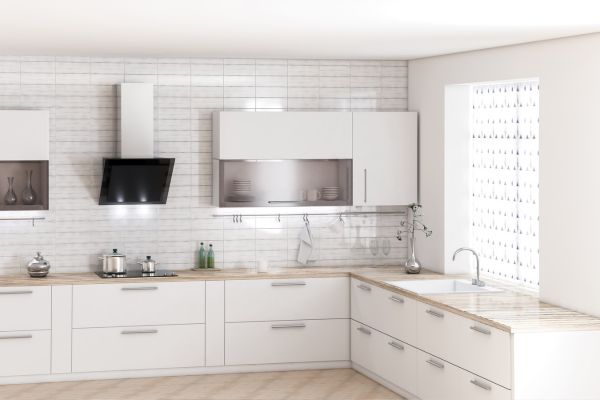
The modern kitchen is changing quietly. Not long ago, a “high-tech kitchen” usually meant having a microwave with extra buttons or a refrigerator with a built-in ice dispenser. Today, technology has moved far beyond novelty features. Kitchens are becoming connected spaces where appliances communicate, routines become automated, and everyday cooking tasks feel more organized.
For many people, though, the idea of smart kitchen technology still sounds slightly intimidating. It can seem expensive, overly complicated, or unnecessary. Yet most smart kitchen systems are not designed to replace cooking skills or transform homes into futuristic laboratories. At their best, they simply reduce small daily frustrations.
That is what makes smart kitchen systems for beginners such an interesting topic. The technology is becoming more approachable, more practical, and less focused on flashy gimmicks. Instead of trying to reinvent cooking entirely, modern smart kitchens aim to make routines smoother and more efficient.
Some systems help save time. Others reduce energy waste or improve organization. A few are genuinely useful in ways people do not expect until they start using them regularly. The key for beginners is understanding which technologies actually improve daily life and which ones are easy to ignore.
What Makes a Kitchen “Smart”
A smart kitchen is not defined by one specific appliance. It is usually a collection of connected devices and systems designed to work together or respond intelligently to everyday habits.
This can include smart refrigerators, voice-controlled lighting, connected ovens, automated coffee machines, digital grocery tracking, or even app-controlled air fryers. Some systems are simple while others are highly advanced.
What matters most is functionality. A smart kitchen should make the cooking experience feel easier, not more complicated.
Many beginners imagine needing an entire high-tech renovation to create a smart kitchen, but that is rarely necessary. In reality, most people start with one or two connected devices and gradually build from there as they discover what actually fits their lifestyle.
Interestingly, the smartest kitchens often feel the least technological. The systems work quietly in the background rather than demanding constant attention.
Why Smart Kitchen Technology Is Growing So Quickly
The popularity of smart kitchen systems for beginners has increased partly because daily life has become more hectic. People are balancing work, family responsibilities, social obligations, and personal routines in ways that leave little time for complicated meal preparation.
Technology has stepped into that gap by helping simplify repetitive tasks.
At the same time, cooking habits have changed. More people now follow online recipes, watch cooking tutorials, and experiment with meals from different cultures. Smart kitchen tools often support that learning process by offering guided cooking features, timers, temperature monitoring, and automated settings.
There is also a growing interest in reducing food waste and improving energy efficiency. Connected systems can track grocery expiration dates, optimize appliance energy use, or help people manage meal planning more effectively.
The shift is not entirely about convenience. In many ways, it reflects changing relationships with home life itself.
Smart Refrigerators Are More Practical Than They Used to Be
Smart refrigerators were once treated almost like science fiction, complete with oversized touchscreens and features few people actually needed. Today, they have become more grounded and practical.
Modern smart refrigerators can monitor temperature consistency, send maintenance alerts, and in some cases track inventory inside the appliance. Some allow users to check contents remotely through internal cameras, which sounds unnecessary until someone forgets whether they need milk while grocery shopping.
The most useful features are usually the simplest ones. Adjustable cooling zones, energy monitoring, and expiration reminders often make more difference than flashy display screens.
That said, beginners do not need a fully connected refrigerator to start building a smart kitchen. Many smaller, affordable devices can offer equally meaningful improvements without replacing major appliances.
Voice Assistants Have Changed Kitchen Routines
Voice-controlled systems have become surprisingly useful in kitchen spaces. Hands are often busy while cooking, making voice commands more practical here than in many other parts of the home.
People use voice assistants to set timers, convert measurements, play music, create shopping lists, or follow recipes step by step without touching screens or buttons.
It sounds minor, but the convenience adds up quickly during meal preparation.
Voice technology has also become more natural in recent years. Earlier systems often felt awkward or unreliable, while newer versions understand conversational speech much better.
For beginners exploring smart kitchen systems, voice assistants are often one of the easiest entry points because they require little technical setup and immediately integrate into everyday routines.
Smart Ovens and Cooking Appliances Simplify Meal Preparation
Connected cooking appliances are becoming increasingly common, especially among people who want more consistency in meal preparation.
Smart ovens can preheat remotely, monitor internal cooking temperatures, and adjust settings automatically depending on the dish being prepared. Some even recognize certain foods and recommend cooking times based on weight or ingredients.
Air fryers, multicookers, and coffee systems have also joined the smart technology trend. App-controlled appliances allow users to manage cooking progress from another room or receive alerts when meals are ready.
For beginners, though, simplicity matters more than advanced features. The best smart appliances are usually the ones that quietly remove small inconveniences without adding new complexity.
There is little value in a highly connected device that feels frustrating to operate every day.
Smart Lighting Changes the Feel of the Kitchen
Lighting is not always the first thing people think about when exploring smart kitchen systems for beginners, but it often has one of the biggest effects on atmosphere.
Smart lighting systems allow kitchens to shift naturally throughout the day. Bright, cooler lighting may help during food preparation, while softer tones create a more relaxed environment during evening meals.
Motion sensors can activate lights automatically when entering the room at night, which becomes surprisingly useful during early mornings or late-night kitchen visits.
Energy efficiency also improves because lights operate only when needed.
These systems tend to work best when they feel subtle rather than theatrical. The goal is comfort and convenience, not turning the kitchen into a technology showcase.
Smart Faucets and Water Systems Are Quietly Useful
Some smart kitchen innovations receive little attention despite being genuinely practical. Smart faucets are one example.
Touchless activation helps reduce mess while cooking, especially when handling raw ingredients or dough-covered hands. Water usage monitoring can also encourage more efficient habits without feeling intrusive.
Advanced filtration systems now integrate with mobile apps to track filter life and water quality, helping homeowners manage maintenance more easily.
These technologies may sound small individually, but together they create kitchens that operate more smoothly and hygienically.
The interesting thing about smart kitchen design is that the most appreciated features are often the ones people stop noticing after a few weeks because they blend naturally into daily life.
Organization and Food Management Are Becoming Smarter
Food waste remains a major issue in many households, and smart kitchen technology is increasingly focused on solving it.
Connected grocery apps, smart pantry systems, and digital inventory tools help users track ingredients before they expire. Some refrigerators and storage systems even suggest recipes based on available items.
Meal planning apps integrated with kitchen devices can simplify shopping routines and reduce unnecessary purchases.
For busy households, these organizational tools may ultimately matter more than advanced cooking technology. A kitchen that helps manage daily routines effectively often feels more valuable than one filled with complicated gadgets.
The emphasis is gradually shifting from flashy innovation toward thoughtful practicality.
Energy Efficiency Is Becoming Part of Smart Kitchen Design
Modern smart kitchens increasingly focus on sustainability as well as convenience.
Energy-efficient appliances monitor electricity usage and optimize performance to reduce waste. Smart dishwashers and washing systems adjust water consumption depending on load size, while connected ovens can avoid unnecessary preheating.
Some systems even coordinate energy usage based on off-peak electricity hours to reduce strain on local power grids.
This combination of convenience and environmental awareness reflects broader changes in how people think about home technology.
Consumers increasingly want systems that not only save time but also operate responsibly.
Beginners Should Avoid Overcomplicating the Process
One of the most common mistakes people make when exploring smart kitchen systems for beginners is trying to automate everything immediately.
A kitchen overloaded with disconnected apps, notifications, and unnecessary devices can become more stressful rather than more helpful.
Starting small usually works best. A voice assistant, smart lighting setup, or connected coffee maker may provide enough value initially without requiring major adjustments.
Over time, people naturally discover which technologies genuinely improve their routines and which features they rarely use.
A smart kitchen should feel supportive, not demanding.
Privacy and Technology Fatigue Are Real Concerns
Despite the excitement surrounding smart home technology, some people remain cautious about privacy and constant connectivity.
Connected devices collect data, rely on software updates, and sometimes require internet access to function fully. For some homeowners, that raises legitimate concerns about security or long-term reliability.
There is also the issue of technology fatigue. Not every kitchen task needs automation. Some people intentionally prefer cooking as a break from screens and notifications.
This balance matters. Smart kitchen technology works best when it enhances the cooking experience without overwhelming it.
The goal should not be replacing human interaction with technology. It should be reducing friction so people can enjoy the kitchen more naturally.
Conclusion
The rise of smart kitchen systems for beginners reflects a broader shift in how people think about home life, convenience, and everyday routines. Kitchens are becoming more connected, more responsive, and in many cases more efficient without losing their warmth or personality.
From voice-controlled assistants and connected cooking appliances to smart lighting and food management tools, modern kitchen technology offers practical improvements that fit naturally into daily life. Many of these systems work quietly in the background, simplifying small tasks rather than dramatically changing how people cook.
At the same time, the most successful smart kitchens are rarely the most complicated ones. They are the spaces where technology supports comfort, organization, and ease without becoming distracting or overwhelming.
For beginners, that is probably the best place to start: not with the most advanced devices, but with the simple idea that a kitchen should make life feel a little smoother, calmer, and more enjoyable each day.