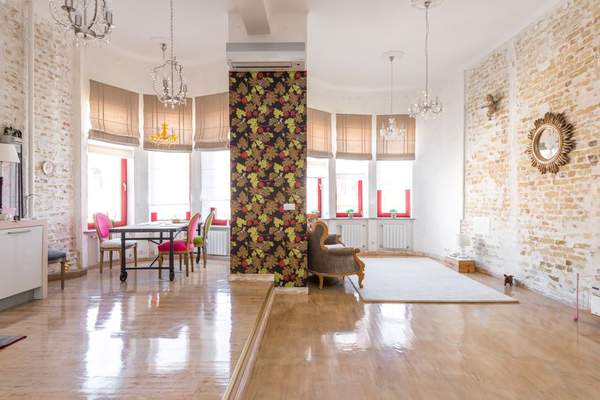
A room feels more convincing when it looks as though it has developed over time rather than arrived in one matching delivery. That is the appeal of mixing vintage and modern furniture. A clean-lined sofa can make an old oak cabinet feel more sculptural, while a worn leather chair can stop a newly decorated space from appearing flat. The goal is not to divide the room into “old” and “new” sections, but to create a balanced conversation between periods, materials and shapes.
Start With the Mood, Not the Furniture Labels
Before deciding which pieces belong together, choose three or four words that describe how you want the room to feel. Warm, relaxed and elegant will lead to a different vintage modern mix than bright, playful and graphic. This prevents you from buying items merely because they are old, fashionable or attractive on their own.
A modern room can still feel soft and storied, while a traditional room can include crisp contemporary elements. Focus on atmosphere rather than one strict design style. This is the foundation of successful eclectic furniture styling: variety is welcome, but every item should support the same mood.
Choose One Visual Anchor
Most mixed rooms benefit from a clear starting point. This could be a modern sofa, a vintage dining table, an antique chest, a contemporary bed or a statement armchair. The anchor does not have to be the oldest or most expensive piece. It simply needs enough presence to guide the rest of the scheme.
Imagine a typical UK living room with a pale modular sofa and off-white walls. Adding a dark Victorian sideboard immediately gives the space depth. Rather than filling the room with more heavy antiques, repeat the sideboard’s warm timber through a picture frame or lamp base, then keep the coffee table light and modern. The old piece becomes intentional rather than isolated.
Use Contrast Deliberately
Vintage and modern furniture often work best when their differences are visible. A sleek glass table beside a carved wooden chair can be more interesting than two pieces that almost match. Strong contrast makes the combination look confident.
Useful pairings include polished chrome with aged timber, smooth upholstery with distressed leather, a contemporary table with mismatched vintage chairs, or a modern lamp on an old writing desk. Contrast one or two qualities at a time. If colour, shape, scale, finish and pattern are all competing, the room can become restless.
Create Links Between Different Pieces
Contrast gives the room energy, but repetition gives it order. Look for a shared feature that quietly connects furniture from different eras. It might be a recurring colour, a similar curve, matching wood undertones or repeated metal finishes.
A 1960s teak cabinet, a rust-coloured sofa and an antique gilt mirror can sit comfortably together when warm tones appear throughout the room. Likewise, a rounded vintage armchair can relate to a modern oval coffee table even when their materials are different. These subtle echoes create a layered interior look without making the furniture feel coordinated as a set.
Balance Visual Weight Around the Room
Older furniture is often visually heavier because it may be darker, more detailed or made from solid timber. Avoid placing every substantial vintage piece against one wall while the rest of the room contains lightweight modern items. Spread the visual weight so the eye moves naturally around the space.
If you have a large antique wardrobe, balance it with a generous contemporary bed or a substantial modern rug. In a living room, a deep vintage cabinet may need a broad sofa opposite it rather than a delicate two-seater. Scale matters more than age. Furniture from different periods will usually coexist well when the proportions feel compatible.
Keep Comfort and Function in the Modern Layer
Vintage seating can be beautiful, but not every older chair or sofa suits daily life. Modern pieces are useful where comfort, durability and precise dimensions matter most. A contemporary sofa, mattress or extending dining table can form the practical backbone of the room, while vintage furniture adds character through cabinets, stools, side tables and occasional chairs.
When buying an upholstered vintage piece, check the frame, springs, joints and fabric condition. Reupholstering a well-made chair in a fresh plain textile can bridge eras particularly well. The original silhouette remains, but the updated fabric helps it connect with newer furniture.
Let Accessories Finish the Conversation
Once the main furniture is in place, smaller details can soften the transition between periods. Contemporary artwork above an antique console, a vintage lamp beside a new sofa or modern ceramics on an old dresser can make the mix feel deliberate.
Avoid styling each vintage item only with other vintage objects, which can create themed pockets instead of one room. Cross the boundaries. Place a modern vase on a weathered table, hang an old oil painting above a low contemporary cabinet, or add a traditional patterned cushion to a streamlined chair. These combinations are central to collected home decor because they express personality without relying on a matching formula.
Edit Before You Add More
Mixed interiors can become cluttered when every interesting find is displayed at once. Step back and identify where the eye can rest. Clear surfaces, open floor space and a few simple shapes will make detailed vintage pieces look more special.
Photograph the room from the doorway. The camera often reveals imbalances that are easy to miss in person. If one corner feels crowded, remove an accessory or relocate a small table before buying anything else. Successful mixing is often achieved through subtraction rather than another purchase.
FAQ
How much vintage furniture should a modern room have?
There is no fixed percentage, but one substantial vintage piece or two smaller pieces are often enough to change the character of a modern room. Add gradually and assess the balance before introducing more.
Can different wood tones work in the same room?
Yes. Wood tones do not need to match, although they should feel balanced. Repeat each major tone at least once, or use a rug, wall colour or upholstery fabric that connects warm and cool woods.
How do I stop mixed furniture from looking messy?
Use a limited colour palette, repeat a few shapes or materials, and leave breathing space around statement pieces. Consistency in scale and mood matters more than matching periods.
Should vintage furniture be restored?
Restore pieces when damage affects stability, safety or usefulness. Minor wear, faded timber and small marks can add character, so avoid removing every sign of age unless you prefer a cleaner finish.
A Room That Feels Collected, Not Coordinated
Mixing vintage and modern furniture works when contrast is supported by a few quiet connections. Begin with the mood, choose a visual anchor, balance scale and repeat selected colours or shapes. Use modern furniture where comfort and practicality matter, then allow older pieces to bring patina, craftsmanship and individuality. The strongest rooms are not perfectly matched. They feel edited, useful and personal, as though each item earned its place over time.