The bags are packed, but the house still has a few jobs of its own. Home maintenance before going on holiday is less about deep cleaning and more about stopping small problems from becoming expensive ones while nobody is there to notice. A dripping pipe, an overlooked fridge item or a loose garden object can cause more trouble over two unattended weeks than during an ordinary weekend.
Use this holiday home checklist in two stages: tackle repairs several days before departure, then make a final walk-through before locking the door. That leaves time to fix unexpected problems without adding to the rush.
Check for leaks and decide what to do with the water
Start beneath sinks, behind the washing machine and around toilets, radiators and the hot-water cylinder if you have one. Look for damp patches, corrosion, pooling water and persistent drips. A stain around a pipe joint deserves attention before a holiday, not a promise to investigate when you return.
Find your main stopcock and make sure it operates without forcing it. Turning off the incoming water supply can reduce damage from plumbing leaks while you are away, provided doing so is compatible with your heating and other connected systems. If unsure, check appliance instructions or ask a qualified plumber. Never leave a known leak unresolved simply because the stopcock is closed.
Set heating and hot water for the season
In summer, you may be able to switch off unnecessary hot-water schedules and reduce heating demand. In winter, turning heating off completely can expose pipes to freezing temperatures. Follow your boiler and thermostat instructions, keep appropriate frost protection active and check your insurer’s requirements.
For an older house with vulnerable loft pipes, consider the forecast and trip length rather than following one temperature rule. A winter home maintenance checklist is useful for planning cold-weather absences.
Prevent stale air, damp and hidden moisture
Empty wet laundry from the washing machine, dry damp towels and remove standing water from containers. Check that bathroom extractor fans work and ventilation openings are not blocked. Do not leave windows open as a substitute for ventilation; unsecured windows create other risks.
If a bedroom already has mould or a musty smell, investigate the source before leaving. A damp and condensation prevention guide can help distinguish everyday moisture from a leak that needs repair. Closing the door on active damp for a fortnight will not solve it.
Leave electrical appliances in a sensible state
Switch off and unplug non-essential portable appliances where safe, especially chargers and countertop gadgets. Leave power connected to essentials such as a fridge containing food, monitored security equipment or heating controls. Do not switch off the whole consumer unit without checking what depends on it.
Test smoke alarms according to the manufacturer’s instructions and replace low batteries. If you have smart leak sensors, check their alerts and ensure the internet connection they rely on will remain active.
Sort the kitchen, bins and drains
Use up fresh food, discard anything likely to spoil and wipe fridge spills. Empty bins, rinse recycling containers and check the dishwasher for forgotten plates. If you plan to turn the fridge or freezer off, empty, defrost and clean it first, then leave its door slightly ajar as recommended by the manufacturer.
Clear food debris from sink strainers and check taps are fully off. These simple house checks before holiday can spare you an unpleasant homecoming.
Make the property look cared for, not abandoned
Lock windows, external doors, the garage and shed. Remember the back gate and any movable ladders or tools. Set the burglar alarm, check camera batteries and move valuables away from windows. Police guidance recommends timed lighting and help from a trusted neighbour.
A light timer is better than a lamp burning continuously for ten days. Avoid announcing travel dates publicly online, and deal with parcels or regular deliveries in advance. If a neighbour is collecting post, agree how they should contact you if they spot a leak or broken window.
Look outside before the weather does
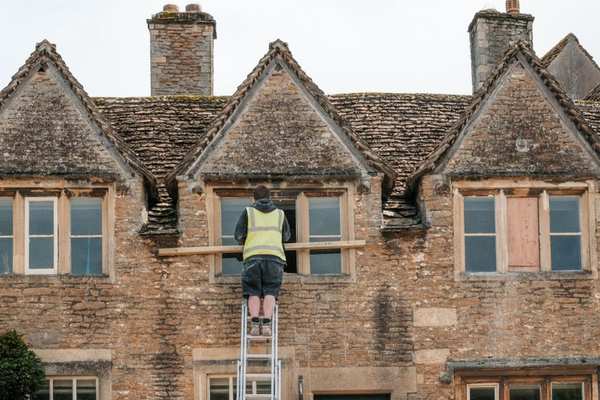
Inspect visible roof edges and gutters from the ground, particularly after storms. Do not climb onto a roof for last-minute repairs. Secure plant pots, garden furniture, parasols and loose bin lids that could move in strong winds. Check outside drains for obvious leaf blockages.
Arrange urgent professional repairs early. For longer trips, routine garden care may also prevent the property appearing neglected.
Check insurance and organise a local contact
Read your buildings and contents insurance terms before leaving home empty. Some UK policies restrict cover or impose conditions after a specified unoccupied period, often 30 or 60 days, but definitions vary. Someone popping in occasionally might not count as occupation under your policy. Check whether inspections, heating arrangements or other precautions are required.
Give a trusted person a key and clear instructions if appropriate. Share your contact details, the stopcock location and who to call for urgent repairs. This helps if you travel somewhere with limited mobile reception.
Do one final ten-minute walk-through
Imagine leaving for a fortnight on a rainy Friday. You discover a slow drip beneath the kitchen sink on Thursday evening. Fixing it or arranging a plumber matters more than polishing the worktop. On Friday, photograph the closed stopcock if you have safely turned it off, check windows, test the alarm and take rubbish out.
Walk from the top floor down, checking each room once. Keep your pre-travel home maintenance routine in the same order every time; a repeatable route is easier to trust than trying to remember everything from the taxi.
Frequently asked questions
Should I turn off the water before going on holiday?
It is often sensible to consider closing the main stopcock, especially for a longer absence, but first check whether heating or another system needs the supply. Ask a professional if unsure.
Should the heating stay on when the house is empty?
During cold weather, frost protection or a suitable low heating setting may be safer than switching everything off. Follow manufacturer guidance and any insurer conditions.
How long can I leave my house unoccupied for insurance purposes?
There is no universal limit. Check your own policy’s definition of unoccupancy, exclusions and any inspection or heating requirements before travelling.
What should I check immediately before locking up?
Confirm taps and appliances are safe, rubbish is removed, windows and doors are locked, the alarm is set and a trusted contact knows how to reach you.
Leave with fewer things to worry about
The best pre-holiday checks focus on consequences: water damage, freezing, fire risks, moisture, food waste and security. Handle jobs needing a tradesperson in advance, then use a short final routine on departure day. You cannot prevent every surprise, but you can make leaving home empty much more manageable.