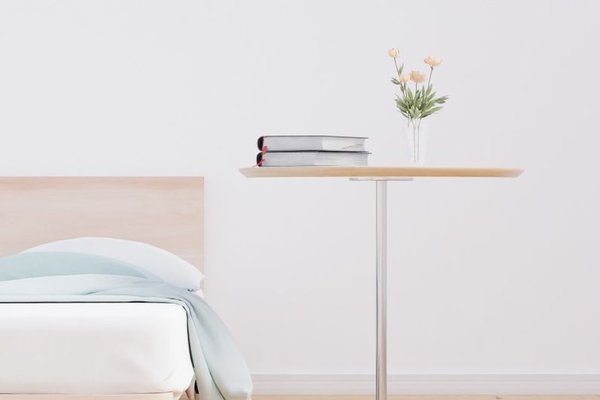
Midimalism is the interior style for people who want a home to feel calm without making it look empty, and expressive without letting every surface compete for attention. It sits between minimalism and maximalism, combining clean structure with colour, texture and personality.
The term has gained momentum in 2026 design coverage, but it is not a rigid rulebook. It describes rooms that feel edited rather than bare, layered rather than crowded, and personal without becoming exhausting. For smaller UK terraces and flats, that balance can be easier to live with than either extreme.
What Midimalism Means in Practice
A midimalist room usually begins with order. Furniture has space around it, storage keeps everyday clutter under control, and the layout is easy to understand. Personality is then added deliberately through artwork, colour, pattern, books, ceramics, vintage pieces and tactile materials.
The result is a minimalist maximalist mix in which not everything is quiet, but everything has a reason to be there. One patterned chair can sit against a restrained wall. A collection can be displayed on one shelving unit rather than scattered across the room. A bold lamp can become the focus while the surrounding furniture remains simple.
Why the Style Feels Right for 2026
Strict minimalism can feel impersonal, while full maximalism can be difficult to maintain. Midimalism answers both concerns. It allows meaningful possessions to remain visible while preserving enough negative space for a room to feel restful.
It also fits a wider move towards slower, more intentional home styling. Instead of buying a matching room set, homeowners can combine inherited furniture, vintage finds, handmade objects and contemporary pieces over time. The home develops character gradually rather than in one shopping trip.
Start with a Calm Foundation
Midimalism does not require an all-beige scheme, but a steady background makes expressive details easier to control. Warm white, soft stone, muted clay, pale olive, dusty blue and gentle taupe work well in UK light, which can be cooler and greyer for much of the year.
Choose one main wall colour and repeat related tones through larger furniture. This creates continuity before stronger accents. Dark timber, burgundy, ochre, forest green or cobalt can appear in concentrated doses.
Use Contrast Rather Than More Stuff
A room can feel rich without many objects. Contrast a smooth painted wall with a nubby wool rug, a clean-lined sofa with an antique side table, or plain curtains with one patterned cushion. Material contrast creates depth while keeping the room controlled.
Layer Texture Before Pattern
Texture is one of the easiest ways to make a calm interior style feel warm. Wool, linen, timber, rattan, ceramic, velvet, aged metal and natural stone add visual interest without introducing several competing colours.
For example, a neutral living room could combine a linen sofa, oak coffee table, wool rug, glazed ceramic lamp and one velvet armchair. The palette remains restrained, but the room does not feel flat because each surface reflects light differently.
Once the textures are working together, add pattern selectively. A striped chair, checked throw or floral lampshade may be enough. Midimalism decor often looks strongest when one pattern is clearly dominant and the others are quieter in scale.
Give Collections a Defined Home
Books, framed prints, travel objects and family pieces are not clutter when they are displayed with structure. The key is to concentrate them rather than spreading them across every surface.
Group framed artwork into one gallery wall, arrange ceramics on a single shelf, or keep favourite books together on a low cabinet. Repeating a frame colour, material or spacing creates visual order even when the objects themselves are varied.
Leave some empty space around the display. That pause allows the collection to register as intentional rather than accidental.
Choose Fewer Pieces with More Presence
Midimalism favours impact over quantity. A sculptural floor lamp, an oversized artwork or a distinctive vintage chair can carry more personality than several small accessories.
Before adding something, ask what job it performs. It might provide storage, improve comfort, introduce colour, hold sentimental value or create a focal point. If it does none of those things, the room may not need it.
This editing process is not about removing every decorative item. It is about making the strongest pieces easier to notice.
Apply the Style to a Real UK Living Room
Imagine a compact Victorian sitting room with a bay window, chimney breast and limited floor space. Begin with warm off-white walls and a simple oatmeal sofa. Add a dark wood sideboard for storage, a rust-coloured armchair, a patterned wool rug and one large landscape print above the fireplace.
Place a small group of ceramics on the sideboard and keep the remaining surface clear. Use linen curtains, a brass reading lamp and two cushions in related colours. The room now has pattern, history and warmth, but the clear pathways and limited display zones stop it feeling crowded.
How to Avoid Sliding into Maximalism
The difference is often repetition and restraint. If several bold elements are competing, remove one or reduce its scale. Keep large furniture shapes relatively simple when walls or textiles are busy. When a gallery wall is the focus, allow nearby surfaces to remain quieter.
A useful test is to photograph the room from the doorway. The image makes visual congestion easier to spot. If your eye does not know where to rest, edit one area before buying anything else.
How to Avoid Making It Too Minimal
A midimalist room should still reveal something about the people living there. If the space feels anonymous, introduce one meaningful layer: family photographs, handmade pottery, a vintage textile, books you actually read or artwork connected to a place you love.
Colour can also help. Even a mostly neutral room benefits from one deeper tone repeated two or three times. Repetition makes the accent feel considered rather than random.
Frequently Asked Questions
Is midimalism the same as warm minimalism?
They overlap, but midimalism usually allows more pattern, colour, collections and decorative contrast. Warm minimalism tends to remain quieter and more limited in the number of visible objects.
Can midimalism work in a small room?
Yes. Use closed storage, keep pathways clear and concentrate decorative objects in one or two areas. A small room can still feel characterful.
What colours suit midimalism?
Warm neutrals, earthy shades and muted colours create a useful base. Stronger tones such as teal, burgundy, ochre or cobalt can be added as focused accents.
Do I need to buy new furniture?
No. The style works particularly well with a mix of existing, inherited, vintage and contemporary pieces. Editing, rearranging and grouping items often has more impact than replacing them.
Related reading could include a guide to layering textures, styling a gallery wall and choosing colours for north-facing rooms.
A More Liveable Middle Ground
Midimalism is less about following a trend than finding a workable level of visual energy. It gives a home breathing room while protecting the objects, colours and textures that make it personal.
Begin with a calm base, layer materials before adding pattern, group collections thoughtfully and choose a few pieces with genuine presence. The finished room should feel neither sparse nor overloaded, but comfortable and intentionally yours.