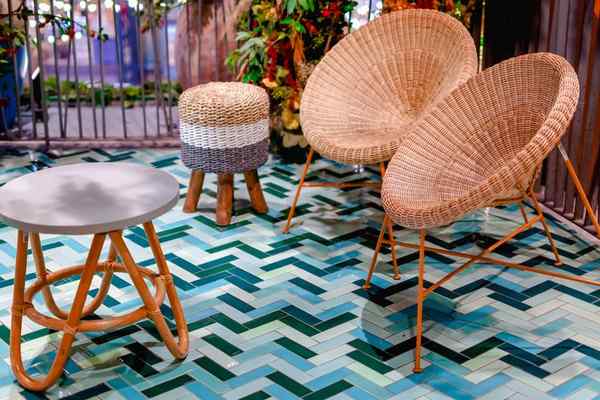
Natural materials have moved from being a rustic decorating shortcut to something much more considered. In 2026, the appeal is less about making a room look “earthy” and more about letting materials behave like themselves: timber that shows its grain, stone with visible variation, clay with slight irregularities and woven fibres that are not perfectly uniform. That shift explains why the natural materials home decor trend feels broader than a seasonal look. It is becoming a way of judging quality, character and longevity.
For UK homes, this approach works across very different properties. A Victorian terrace can carry aged oak and handmade ceramics comfortably, while a newer flat can gain warmth from limestone, linen and simple timber furniture without being pushed into a country-house style.
Material Honesty Is Replacing Perfect Uniformity
The strongest natural material decor does not hide every knot, vein, tool mark or colour change. Those variations are part of the appeal. A solid-oak table that develops a patina, a stone worktop with mineral movement or a hand-thrown bowl that is not perfectly symmetrical can make a room feel more individual than flawless mass-produced surfaces.
This does not mean every room needs to look rough. Material honesty is about using finishes that respect what something is. Honed stone can feel refined without becoming glossy. Timber can be smoothly finished while its grain remains visible. Clay can be glazed while keeping the subtle differences that reveal how it was made.
Why Wood Is Becoming More Architectural
Wood is no longer confined to floors, dining tables and occasional furniture. It is increasingly used as part of the room itself through wall panelling, slatted details, cabinetry, shelving and built-in joinery. Warm oak, walnut and reclaimed timber can soften hard architectural lines while giving a space visual depth.
The key to successful wood and stone interiors is restraint. If every surface is timber, the room may feel heavy. A better approach is to choose one dominant application and let other materials support it. An oak media unit, for example, can sit against limewashed walls with a wool rug and one stone side table.
Stone Is Valued for Variation, Not Just Luxury
Natural stone has long been associated with expensive kitchens and bathrooms, but its 2026 appeal is increasingly tied to individuality. Limestone, marble, travertine and slate all carry natural variation, meaning two slabs or tiles are rarely identical.
You do not need a full stone renovation to use the idea. A marble-topped side table, limestone lamp base, stone tray or reclaimed stone mantel can introduce the material at a manageable scale. In compact UK rooms, one substantial stone element often looks more intentional than many tiny accessories.
Clay and Ceramics Bring the Hand of the Maker Into View
Clay home accessories fit neatly into the wider craftsmanship trend because they often make the production process visible. Finger marks, uneven rims, speckled glazes and slight differences between pieces can all signal that an object was shaped and finished rather than stamped out to look identical.
Use ceramics where they have a job to do: a large bowl on a dining table, a lamp base on a bedside cabinet, a vase on a mantel or a handmade mug used every morning. Functional objects tend to feel more convincing than decorative pieces bought only to complete a styled shelf.
Craftsmanship Is Becoming Part of the Value Calculation
One reason this movement has staying power is that buyers are paying more attention to how furniture and accessories are made. Construction, repairability and ageing matter alongside appearance. A well-made timber chair that can be refinished may offer more long-term value than a cheaper piece designed to be replaced when its surface chips.
Handmade does not automatically mean sustainable, and every natural material carries environmental impacts. Stone extraction, timber sourcing, transport and manufacturing all matter. Look for credible sourcing information, durable construction and materials suited to the job rather than assuming “natural” guarantees responsible production.
How to Use Natural Materials Without Making a Room Feel Themed
Start With One Permanent Material
Choose the element that is hardest to change, such as flooring, worktops or fitted cabinetry. Let that set the material direction before adding smaller pieces. If you already have oak flooring, you may need only a stone lamp and a few ceramic pieces rather than another large timber item.
Mix Finishes Instead of Matching Everything
A room becomes more believable when natural materials are related rather than identical. Pale oak can sit beside darker walnut; smooth limestone can contrast with nubby wool; glazed pottery can work beside unglazed terracotta. The differences create depth while a repeated warm or neutral undertone keeps the scheme coherent.
Use a Real-Room Test Before Buying
Imagine a living room with a beige sofa, painted walls and laminate flooring. Instead of replacing everything, add one oak coffee table with visible grain, a wool throw and a hand-thrown ceramic lamp. If the room already feels warmer and more grounded, stop there. This prevents the trend from becoming an expensive shopping exercise.
Natural Does Not Have to Mean Neutral
Wood, stone and clay are often shown in beige rooms, but material-led decorating can carry plenty of colour. Green-veined stone, reddish terracotta, deep walnut, rust-coloured wool and blue or ochre glazes all belong naturally in this palette. The point is not to remove colour; it is to let colour come through materials with depth and variation.
Useful next reads include material mixing in interiors, styling with warm wood tones and choosing handmade home accessories.
Frequently Asked Questions
What natural materials are popular in 2026 interiors?
Wood, natural stone, clay and ceramic, wool, linen and cork are prominent choices. The emphasis is increasingly on honest finishes, durability and craftsmanship rather than simply choosing anything labelled natural.
Can natural materials work in a modern home?
Yes. Clean-lined timber furniture, honed stone, simple ceramics and woven textiles can soften a contemporary space without making it rustic. Keep shapes restrained and allow the material itself to provide character.
How can I add natural materials on a small budget?
Start with useful accessories and second-hand pieces. A vintage wooden stool, ceramic lamp, stone tray, linen cushion cover or wool throw can change the feel of a room without requiring new flooring or fitted joinery.
Do natural materials require more maintenance?
Sometimes. Timber may need oiling or refinishing, and some stones can stain if they are not correctly sealed. Check care requirements before buying and choose finishes appropriate to kitchens, bathrooms or other high-use areas.
A More Lasting Way to Decorate
The real appeal of natural materials in 2026 is not that wood, stone or clay suddenly became fashionable. These materials have always belonged in homes. What has changed is the attention given to how they are sourced, shaped, finished and allowed to age. By choosing fewer materials with genuine character, mixing them thoughtfully and valuing good construction over surface perfection, a room can feel current without being tied to a short-lived look.