The family room has quietly become the most hardworking space in the house. It’s no longer just the place where everyone collapses at the end of the day to watch TV. In modern homes, the family room often doubles as a home office, play area, workout zone, guest space, or creative studio—sometimes all in the same week. That shift has made multi-use family room ideas less of a design trend and more of a necessity.
Designing a room that can handle all those roles without feeling cluttered or chaotic takes intention. It’s about flexibility, comfort, and a bit of realism about how families actually live. The good news is that a well-planned multi-use family room doesn’t have to feel compromised. When done thoughtfully, it can feel richer, warmer, and more personal than a single-purpose space ever could.
Rethinking What a Family Room Is For
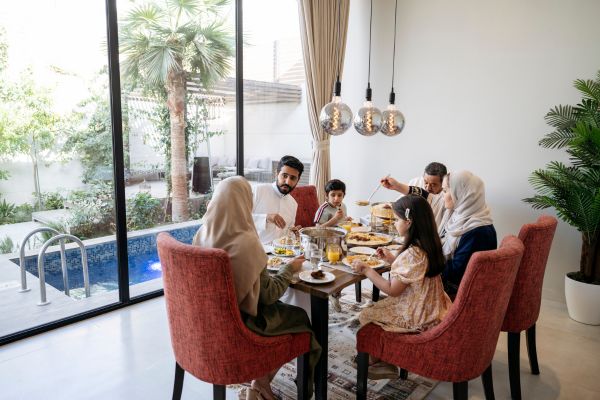
Before furniture is moved or walls are painted, it helps to step back and rethink the purpose of the family room. In many households, this is where life happens in between everything else. Kids spread out homework, someone answers emails on a laptop, music plays in the background, and dinner conversations spill over from the kitchen.
Multi-use family room ideas work best when they respond to real habits instead of idealized ones. If the room regularly hosts quiet reading in the morning and noisy games in the evening, the design should support both moods. Instead of forcing the space into a single identity, let it be adaptable by nature.
Creating Flexible Zones Without Building Walls
One of the most effective ways to make a family room work for multiple purposes is to subtly divide it into zones. This doesn’t mean putting up walls or screens that interrupt the flow. It’s more about visual cues that suggest how different areas can be used.
A sofa angled slightly away from the TV can define a conversation area, while a rug under a table signals a work or craft zone. Lighting also plays a quiet but powerful role. A floor lamp can make a reading nook feel intentional, while overhead lighting keeps the main space open and social.
These soft boundaries allow the room to shift function throughout the day without ever needing a reset.
Furniture That Adapts as Fast as Life Does
In a multi-use family room, furniture has to earn its place. Pieces that can adapt or serve more than one purpose are invaluable. A deep sectional can be a lounging spot one moment and extra sleeping space the next. A sturdy coffee table might double as a game surface or an impromptu desk.
Movable furniture is especially helpful. Lightweight chairs that can be pulled into a circle for conversation or pushed aside for kids’ activities keep the room fluid. When furniture can be rearranged without effort, the room naturally adjusts to whatever the day brings.
Storage That Disappears Into the Design
Clutter is the biggest threat to any multi-purpose space. When a room serves many roles, it inevitably collects a wide range of items—books, toys, electronics, blankets, papers. Without smart storage, the space can feel overwhelmed.
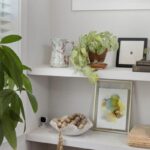
Built-in shelves, closed cabinets, and storage ottomans help keep visual noise to a minimum. The key is to mix open and hidden storage. Open shelves can display personal items that add warmth and character, while closed storage handles everything you don’t want to see every day.
Well-designed storage supports multi-use family room ideas by making transitions between activities quick and stress-free.
Blending Work and Relaxation Without Tension
As working from home becomes more common, the family room often ends up hosting a desk or work surface. The challenge is preventing the work zone from taking over the room’s atmosphere. No one wants to feel like they’re living in an office.
Choosing furniture that blends in visually helps. A desk that looks more like a console table or a small cabinet can disappear when work hours end. Keeping work-related items contained—laptops stored away, papers tucked into drawers—allows the room to return to its relaxed identity after hours.
This balance is essential to making a multi-use family room feel restorative rather than stressful.
Designing for Both Adults and Children
Few spaces are asked to serve such different needs as a family room shared by adults and kids. One moment it’s a quiet place for conversation, the next it’s a full-scale play zone. Successful multi-use family room ideas acknowledge both without favoring one too heavily.
Durable materials go a long way. Washable fabrics, sturdy finishes, and forgiving surfaces allow the room to handle rougher moments without constant worry. At the same time, incorporating adult-friendly textures and colors keeps the space from feeling like a playroom.
When everyone feels considered, the room becomes genuinely shared rather than tolerated.
Using Color and Texture to Tie It All Together
When a room serves multiple purposes, visual cohesion matters more than ever. Color and texture are powerful tools for creating that sense of unity. A consistent color palette across furniture, walls, and accessories helps different zones feel connected instead of competing.
Texture adds depth without overwhelming the space. Soft textiles, natural wood, and subtle patterns can make a room feel layered and lived-in. These elements help smooth the transitions between activities, making it easier for the room to shift roles without feeling disjointed.
Making Technology Feel Intentional, Not Intrusive
Technology is often central to the family room, but it doesn’t have to dominate the design. Screens, speakers, and charging stations can be integrated thoughtfully so they support the room’s function without defining it entirely.
Hiding cables, choosing discreet equipment, and planning where devices live when not in use keeps the room feeling calm. Technology should enhance how the space is used, not dictate it. In a multi-use family room, that balance makes a noticeable difference in how the room feels day to day.
Allowing the Room to Evolve Over Time
One of the most overlooked aspects of multi-use family room ideas is the understanding that needs change. A room that works for young children may need adjustment as they grow. Work habits shift, hobbies come and go, and family dynamics evolve.
Designing with flexibility in mind means accepting that the room will change. Choosing timeless basics and layering in easily replaceable elements allows the space to adapt without major overhauls. A family room that evolves naturally stays relevant and loved.
A Thoughtful Space That Reflects Real Life
At its best, a multi-use family room feels effortless, even though plenty of thought went into its design. It supports busy mornings, slow evenings, unexpected guests, and quiet moments in between. It doesn’t insist on perfection or constant tidiness. Instead, it reflects real life as it unfolds.
The most successful multi-use family room ideas aren’t about squeezing more functions into a space. They’re about creating a room that responds gracefully to how people actually live. When comfort, flexibility, and intention come together, the family room becomes more than just a room—it becomes the heart of the home.