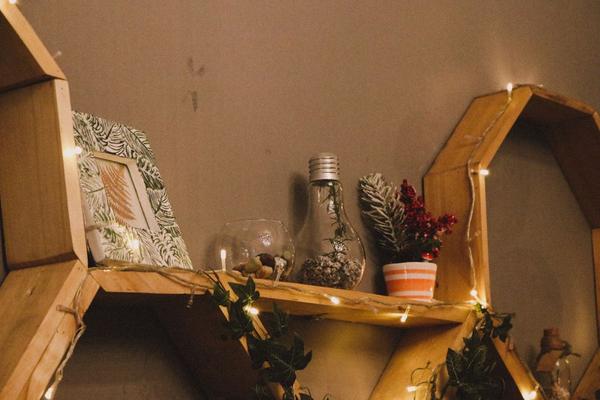
A £50 decorating budget sounds restrictive until you stop thinking about “redoing” a room and focus on the few changes that alter how it feels. The best budget home decor ideas are rarely about filling a trolley with cheap ornaments. They are about fixing what makes the space look unfinished: flat lighting, an empty wall, tired textiles, visible clutter or a colour scheme that never quite connects. Give the £50 a specific job and the result can feel more deliberate than a bigger, unfocused shopping trip.
Start with the room’s biggest visual problem
Before buying anything, stand in the doorway and take a photo of the room. A photograph makes blank areas and awkward proportions easier to spot. Ask what catches your eye for the wrong reason. Is the sofa surrounded by bare walls? Does the room rely on one harsh ceiling light? Are cushions faded, or is every surface crowded with small objects?
Choose one main problem and one supporting problem. If poor lighting is the issue, spend most of the money on a lamp or shade and use what remains for a smaller styling change. If the room already has good lighting but feels bare, prioritise artwork, frames and one or two accessories.
Give every pound a job
A useful spending plan is to reserve roughly half the budget for the change with the greatest impact, then divide the rest between texture, colour and finishing details. You might allow £20 to £25 for lighting or a statement second-hand piece, £10 to £15 for textiles, and the final amount for a frame, vase, tray or basket.
Cheap home decor in the UK becomes expensive quickly when several £5 and £8 purchases accumulate. Decide your limits before shopping so each item has to justify its place.
Check charity shops before buying new
Charity shop decor is especially useful for pieces where shape and material matter more than trend. Look for wooden frames, mirrors, ceramic vases, baskets, candlesticks, small lamps, trays and plant pots. A dated print in a good frame may be worth buying for the frame alone.
Keep basic measurements in your phone. Knowing the width of a side table, shelf or empty wall helps you avoid buying a bargain that is the wrong scale. One substantial second-hand vase often looks more intentional than several tiny ornaments bought simply because they were inexpensive.
Let lighting do more of the decorating
If a room feels flat in the evening, lighting can give the strongest return for the money. A table lamp in a dark corner creates depth, softens the atmosphere and can make colours feel warmer. If you already own a suitable lamp elsewhere in the house, move it into the room for a night before spending anything. You may only need a new shade or bulb.
Scale matters. A very small lamp on a broad chest can look lost, while a huge shade on a narrow table feels awkward. Affordable home accessories look more expensive when their proportions are right.
Refresh textiles without replacing everything
Keep cushion pads that are still comfortable and replace only the covers. Two coordinated covers can shift the colour story of a living room for much less than buying several complete cushions.
Choose one colour already present in the room and repeat it rather than introducing a completely new palette. A muted green from artwork, warm rust from a rug or blue from curtains can become the connecting colour. Add one contrasting texture to stop the scheme feeling flat.
Make inexpensive wall decor look considered
Frames are a simple way to make low-cost artwork feel finished. Reuse frames you own, clean or repaint second-hand ones, or place photographs, postcards, maps and small prints into a matching pair. Consistency in frame colour or spacing matters more than the price of the picture itself.
Before hanging several pieces, arrange them on the floor and photograph the layout. It is a quick way to test spacing and scale without making unnecessary holes.
Shop budget retailers with a one-in, one-out rule
Budget home sections are useful when you need a specific item quickly, but low prices encourage impulse buying. For every new decorative object you bring in, remove or relocate one existing object. This keeps the refresh from turning into extra clutter.
Prioritise pieces with a purpose. A basket that hides chargers, a tray that groups loose objects or a lamp that improves evening light will usually contribute more than a purely decorative novelty item.
A realistic £50 living-room refresh
Imagine a living room with a grey sofa, white walls, a basic ceiling light and no clear focal point. One workable plan is £20 for a small table lamp or a good second-hand lamp, £12 for two cushion covers, £8 for a charity-shop frame and print, £5 for a ceramic vase and £5 for a basket or tray. The total is exactly £50.
Each purchase solves something specific. The lamp improves atmosphere, the cushions add colour, the frame gives the eye somewhere to land, and the vase plus basket add texture and order. If you find the frame for £3 instead of £8, keep the £5 saving unless another genuine gap remains.
Know where spending a little more pays off
The cheapest option is not always the best value. Put the largest share of your budget into whatever you will use most or notice most. A sturdy storage basket, washable cushion cover, well-proportioned lampshade or reusable frame can work through several future room refreshes. Save on trend-led decorative pieces that are easy to find second-hand and easy to change later.
FAQ
Can you really refresh a room for under £50?
Yes, if you are refreshing rather than renovating. Focus on lighting, textiles, artwork, storage and styling instead of replacing furniture, flooring or major fittings. Rearranging pieces you already own also stretches the budget further.
Where should I look for cheap home decor in the UK?
Start with charity shops, reuse centres and local second-hand marketplaces, particularly for frames, mirrors, vases, baskets and lamps. Use budget retailers for specific gaps that are difficult to find second-hand.
What should I buy first on a small decorating budget?
Buy the item that fixes the room’s biggest weakness: a lamp for a gloomy corner, a frame for an empty wall, cushion covers for a tired sofa or attractive storage when clutter dominates the room.
How can I make budget decor look more expensive?
Buy fewer pieces, repeat colours and finishes, pay attention to scale and leave some empty space around accessories. A restrained arrangement usually looks more polished than a crowded display of bargains.
Make the £50 limit work in your favour
A small budget can produce a better room because it forces you to edit. Identify the visual problem first, shop second-hand where character matters, and use affordable home accessories to support rather than overwhelm the scheme. Spend the biggest share on the change you will notice every day. The goal is not to make the room look full of new purchases, but to make it feel warmer, calmer and more intentional without crossing the £50 line.