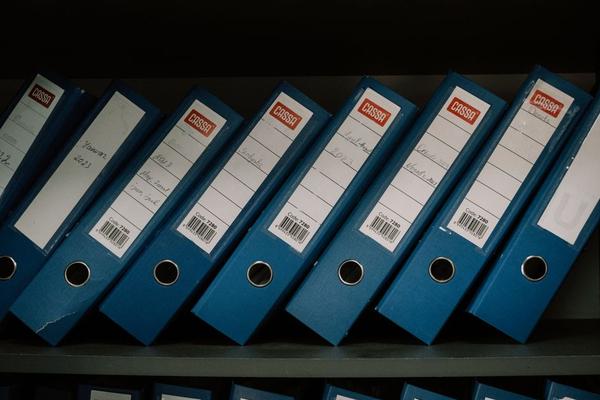
A household filing system does not need to be elaborate. It needs to answer a simple question: when you need an insurance document, appliance receipt or school letter, where will you look first? If every piece of paper has a predictable home, paperwork stops spreading across kitchen counters, drawers and shopping bags.
Start with the paperwork you actually have
Before buying folders, gather the loose papers from the places they tend to collect: the kitchen, desk, entryway and bedside drawer. Include the envelopes you have been meaning to open. Put everything in one working area, but keep confidential papers out of sight of visitors.
Make three temporary piles: action needed, keep for reference and dispose of securely. A renewal notice awaiting payment goes into action needed. A current home insurance policy belongs in reference. An outdated promotional leaflet can usually go. Set aside anything uncertain for a separate review rather than spending half an hour deciding its fate.
Choose a few clear filing categories
A simple home filing system works best when its labels describe how you will retrieve a document, not where it came from. Start with broad categories and add subfolders only when one becomes crowded.
Identity and important records
Keep birth and marriage certificates, property deeds, legal paperwork and other difficult-to-replace originals together in appropriate secure storage. You might maintain a labelled reference folder or index for them, while protecting the originals in a suitable secure location.
Home and household services
Group tenancy or mortgage documents, insurance policies, utility account information, warranties, major purchase receipts and contractor paperwork. Within a home folder, an appliance subfolder can hold the purchase receipt, model information and warranty for your washing machine.
Money and taxes
Create space for relevant bank documents, loan agreements, annual statements and tax records. File by tax year or calendar year where that helps retrieval. Avoid collecting every routine notification when you already have dependable online access and do not need a paper copy.
Health, family and education
Use separate folders for medical records, school documents and family matters when they apply to your household. Sensitive records deserve extra privacy. For a shared cabinet, consider a separate locked location for information that should not be accessible to everyone.
Set up the physical system for quick retrieval
Most homes can begin with one portable file box or a single drawer, hanging folders and a handful of labelled dividers. Choose a container that fits the papers without crushing them, while leaving room for growth. A large cabinet is unnecessary if you only retain a modest number of originals.
Keep your filing container somewhere dry and reasonably secure, away from leaks, direct sunlight and curious young children. For sensitive originals, security and protection from damage matter more than convenience.
Give incoming paper a short route through the house
The filing box is only half the solution. Paper clutter often returns because there is no rule for what happens between opening the mail and putting a document away.
Place one small inbox where letters normally enter the home. When you collect the mail, recycle obvious junk, separate confidential waste for shredding and place anything requiring attention in the inbox. Once or twice each week, empty it completely: pay, reply, schedule, scan or file.
Never treat the inbox as permanent storage. A useful rule is that paper leaves the inbox only when the next action is clear. For recurring tasks, a home maintenance calendar can help you track renewal dates without repeatedly searching through envelopes.
Use digital files without creating a second mess
A household filing system can combine paper originals with digital copies. Scan useful reference documents, name them consistently and store them in folders that mirror the main paper categories. A name such as Home_Insurance_2026 makes more sense later than Scan0047.
Digital copies can speed up searches, but do not assume they replace every original. Some legal, identity and property documents may need to be retained physically. Protect digital records with strong account security and backups, especially when they contain financial or personal information.
If limited space is your main challenge, small-space storage ideas may help you choose a discreet home for the paper files you must retain.
Decide what to keep and what to remove
Keeping everything feels safe, but it can make important records harder to find. Review papers based on their purpose, current usefulness and any legal or financial retention requirements. Rules for tax, employment, housing and business documents vary by country and circumstances, so check the relevant authority before discarding them.
Retain active contracts and policies while they remain relevant, and keep receipts linked to warranties, claims or significant purchases for as long as needed. Review expired documents periodically rather than automatically throwing them out. Shred papers that contain account numbers, addresses, signatures or other sensitive information before disposal.
A practical example: the broken dishwasher
Imagine your dishwasher stops working eighteen months after purchase. Instead of searching through email, cupboards and an unlabelled drawer, you open Home, then Appliances, then Dishwasher. Inside are the receipt, model details, warranty terms and service history. You can check whether the repair might be covered before calling anyone.
Maintain the system in ten minutes a week
Pick a recurring time to clear the paper inbox, file completed documents and check the next action needed. A weekly home cleaning checklist can include this task alongside other small routines, so it does not become another project you forget about.
Frequently asked questions
What is the easiest household filing system for beginners?
Start with a single file box, broad labelled folders and one inbox for papers awaiting action. Add subfolders only when needed. An uncomplicated system is easier to maintain than a detailed scheme with dozens of empty sections.
Should I organise household paperwork by person or subject?
Use subjects for shared documents such as utilities and home insurance, then separate folders by person for private medical, education or identity records. The best arrangement follows how your household naturally looks for information.
Can I make my filing system completely paperless?
You can digitise many reference documents, but some originals may still be necessary. Check legal and administrative requirements before destroying anything important, and ensure scanned files are secure and backed up.
How often should I sort household records?
Process incoming paperwork weekly and review stored records annually. If mail builds up quickly, clear your action inbox more often. Consistency matters more than spending hours reorganising every few months.
Make filing part of everyday home admin
A good household filing system is one you can follow on an ordinary busy Tuesday. Give every document a logical category, keep action papers separate, protect sensitive records and return each finished item to its place. Over time, those small decisions produce a calmer, more dependable way to manage paperwork at home.