Small homes rarely suffer from a complete lack of storage. More often, useful space is hidden in places people do not naturally think to use: above doors, under beds, beside cabinets, behind furniture, or high on walls. The best small space storage ideas make those forgotten areas work harder while keeping the room calm and easy to move through.
The goal is not to fill every spare inch with boxes and shelves. Good storage should reduce visual clutter, make everyday items easier to reach, and leave breathing room around furniture. In a compact home, that usually means choosing fewer, better storage zones and giving each one a clear purpose.
Store vertically before using more floor space
Floor area is usually the most limited resource in a small room, so walls should carry more of the storage load. Tall shelving, wall-mounted cabinets, peg rails, and hooks can add capacity without narrowing walkways. A bookcase that reaches close to the ceiling can hold far more than a low console while using roughly the same footprint.
Upper shelves are best for items you do not need every day, such as spare bedding, seasonal decorations, travel bags, or archived paperwork. Keep frequently used objects lower down. This prevents compact home storage from becoming inconvenient just because it is vertical.
Use the space above doors
The strip of wall above a doorway can hold a narrow shelf for baskets, towels, or storage boxes. In a bathroom it can store spare supplies; in a bedroom it can hold rarely used bags or linens. Keep the shelf shallow so it does not feel heavy overhead.
Make awkward gaps work harder
Small homes often contain narrow spaces that are too tight for ordinary furniture but still large enough to be useful. The gap beside a wardrobe, between a fridge and a wall, or at the end of a hallway can sometimes accommodate a slim trolley, vertical rack, or narrow shelves.
A practical example is a 15-centimetre gap beside a kitchen cabinet. Instead of leaving it empty, a slim pull-out trolley can hold oils, spices, cleaning supplies, or baking trays. That turns dead space into a dedicated storage zone without adding visual bulk.
Floating corner shelves can also work well for a few books, plants, or everyday objects. Clever storage solutions are usually most effective when they solve one specific problem rather than trying to hold everything.
Choose furniture with hidden storage
In a small room, furniture that performs two jobs is usually more valuable than furniture that performs one. A bed with drawers underneath, an ottoman with a lift-up lid, or a bench with internal storage can provide useful capacity without adding another cabinet.
Under-bed storage is especially valuable because beds occupy a large share of bedroom floor area. Drawers are ideal for clothes, shoes, spare bedding, or towels. If the bed has no built-in drawers, low lidded boxes can achieve a similar result. Measure the clear height first so the containers actually fit.
A storage bench near the entrance can provide seating, hide bags or seasonal accessories, and reduce the need for an extra chest. This kind of space-saving storage works especially well in open-plan apartments.
Use doors and cabinet interiors
Doors provide a surprising amount of vertical surface area. Over-door hooks can hold coats, robes, bags, or cleaning tools, while slim hanging organisers can store shoes, toiletries, or accessories. Inside kitchen and bathroom cabinet doors, small racks can hold lids, cloths, cleaning products, or packets that otherwise disappear into deep cupboards.
Keep door storage shallow and lightweight. If it becomes too bulky, the door may not close properly and the room can start to feel crowded. Use the door for one small category rather than treating it as a replacement cupboard.
Create storage zones instead of scattered piles
When storage is limited, it is tempting to put things wherever they fit. That often creates a home where objects technically have storage but are difficult to find. A better approach is to group items by use. Keep cleaning supplies in one area, charging cables in one drawer, and paperwork in one clearly defined place.
This helps maximise small spaces by preventing duplicate items from building up in different rooms. If a cable drawer no longer closes, the answer may be to remove unused chargers rather than buy another organiser.
Use containers to tame deep shelves
Deep cupboards can waste space because smaller items get pushed to the back. Bins, trays, and baskets turn one deep shelf into manageable storage zones. Instead of stacking loose packets or accessories directly on a shelf, place similar items in a container that can be pulled out as one unit.
Transparent containers help when visibility matters, while opaque baskets can make open shelving look calmer. What matters most is that each container fits the space and holds a clear category.
Keep visible storage visually quiet
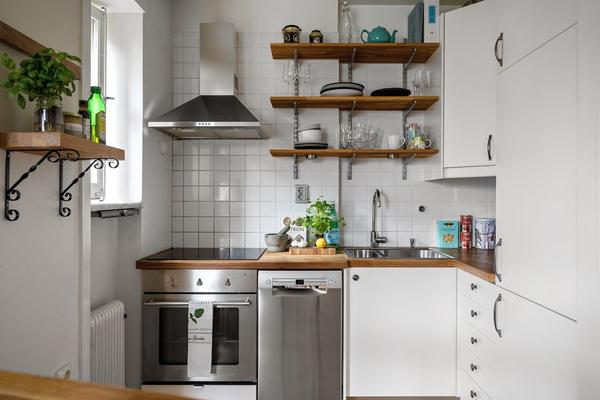
Open shelves can be useful in a compact room, but too many small objects on display can make the space feel busier than it is. Leave some empty space between groups and avoid filling shelves edge to edge.
Closed storage suits visually busy items, while open storage works best for objects used often or displayed intentionally. Combining the two keeps a small home practical without making it feel like a storeroom.
Review what you own before adding more storage
Sometimes the most effective improvement is removing what no longer needs to be stored. Before buying another organiser, empty one problem area and sort its contents. Keep what is useful, relocate what belongs elsewhere, and remove duplicates or unused items.
No storage system can compensate indefinitely for too many possessions. A smaller collection of well-organised items is usually easier to live with than a larger collection hidden in increasingly complicated containers.
Frequently asked questions
What is the best storage solution for a very small room?
Start with vertical storage and furniture that has built-in capacity. Tall shelves, wall-mounted storage, under-bed drawers, and storage benches add useful space without taking much extra floor area.
How can I add storage without making a room look cluttered?
Prioritise closed storage for visually busy items and keep open shelves lightly filled. A few simple containers and some visible empty space help the room feel calmer.
Where should rarely used items be stored?
Use harder-to-reach areas such as top shelves, spaces above doors, or the back of deep cupboards. Keep everyday items at easier-to-reach heights.
Are storage boxes always useful in small homes?
Only when they solve a specific problem. Too many boxes can simply hide clutter. Choose containers that fit a defined shelf or category, and avoid adding new ones until you know exactly what they will hold.
Make every storage choice purposeful
The most effective small space storage ideas do more than squeeze extra belongings into a room. By moving storage upward, using hidden areas, choosing multi-purpose furniture, and giving each category a clear home, you can create more capacity without sacrificing comfort or visual space.
Small rooms work best when storage feels intentional. A few well-planned changes can make awkward corners useful, keep essentials within reach, and help the home feel more open and organised.