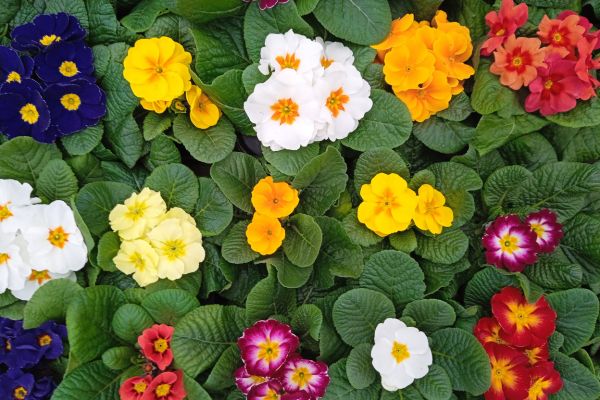
The Quiet Power of a Thoughtful Flower Bed
There’s something quietly transformative about a well-designed flower bed. It doesn’t shout for attention, yet it reshapes an entire outdoor space—softening edges, guiding the eye, and bringing a sense of life that hard surfaces never quite achieve. When people search for flower bed landscaping ideas, they’re often looking for more than arrangement tips; they’re hoping to create a mood, a rhythm, maybe even a personal escape just outside their door.
The beauty of flower beds lies in their flexibility. Whether you’re working with a narrow strip along a walkway or a sprawling garden canvas, the same principles apply—balance, layering, texture, and a bit of intuition.
Designing with Layers and Depth
A flat flower bed can feel unfinished, even if it’s filled with beautiful plants. The secret to making it feel intentional is layering. Think of your flower bed as a stage, where each plant has a role depending on its height and presence.
Start with taller plants at the back or center, depending on the layout. These act as anchors—sunflowers, ornamental grasses, or tall perennials create structure. Mid-height plants fill in the middle ground, while low-growing flowers soften the edges. This gradual transition makes the bed feel fuller and more natural, almost as if it grew that way on its own.
What’s interesting is how layering also affects perception. Even a small space can feel expansive when plants are arranged in tiers. It tricks the eye in a pleasant way, giving depth where there isn’t much physical room.
Playing with Color Without Overwhelming the Space
Color is often the first thing people notice, but it’s also where many flower beds go slightly off track. Too many contrasting shades can feel chaotic, while too little variation might look dull.
One approach is to choose a color palette and stick loosely to it. A monochromatic scheme—different shades of purple, for example—can feel calm and cohesive. On the other hand, complementary colors like yellow and violet bring energy and contrast without clashing.
There’s also something to be said for seasonal shifts. A flower bed doesn’t have to look the same all year. Spring might lean toward soft pastels, while summer bursts into bold, saturated hues. Letting your color story evolve keeps the space feeling alive.
Defining Edges for a Polished Look
Edges might seem like a minor detail, but they quietly shape the entire presentation. A flower bed without a defined border can blur into the lawn or walkway, losing its visual impact.
Natural stone edging offers a timeless feel, blending seamlessly with greenery. Brick borders add a sense of structure, especially in more traditional settings. Even simple metal or wood edging can create a clean line that makes everything inside the bed feel intentional.
What’s surprising is how much this small decision influences maintenance too. A clear boundary helps keep grass from creeping in and makes the overall space easier to manage.
Mixing Textures for Visual Interest
Texture often gets overlooked in favor of color, but it plays an equally important role. A flower bed filled with plants that all have similar leaf shapes and sizes can feel flat, even if the colors are varied.
Combining fine, feathery foliage with broader leaves creates contrast that catches the eye. Ornamental grasses paired with flowering plants add movement, especially when the wind passes through. It’s a subtle detail, but it brings a sense of life that static arrangements lack.
This interplay of textures also helps during times when flowers aren’t in bloom. The bed still feels interesting because the foliage itself carries visual weight.
Creating Curves Instead of Straight Lines
There’s a certain charm in breaking away from rigid, straight-edged designs. Curved flower beds feel more organic, as if they belong to the landscape rather than being imposed on it.
A gentle curve along a pathway or lawn edge softens the space and makes it more inviting. It encourages movement, guiding people through the garden without them even realizing it. Straight lines, while clean and modern, can sometimes feel a bit formal. Curves, on the other hand, introduce a relaxed, almost effortless vibe.
Of course, this doesn’t mean abandoning structure altogether. Even the most natural-looking designs are carefully planned—just in a way that doesn’t feel obvious.
Incorporating Focal Points for Character
Every memorable flower bed has something that draws your attention—a focal point that anchors the design. It could be a small tree, a decorative sculpture, or even a cluster of particularly striking plants.
The key is not to overdo it. One or two focal points are usually enough. Too many, and the eye doesn’t know where to settle. Too few, and the space might feel unfinished.
Interestingly, focal points don’t always have to be bold. Sometimes it’s a subtle detail—a slightly taller plant with an unusual shape, or a contrasting patch of color—that creates that sense of intrigue.
Blending Flowers with Other Elements
Flower beds don’t have to be limited to flowers alone. In fact, some of the most compelling designs mix in other elements—shrubs, stones, even small water features.
Low shrubs can provide structure and greenery year-round, especially when flowers are out of season. Decorative rocks or gravel introduce texture and reduce the need for constant upkeep. A small water feature, even something as simple as a basin, adds a sense of calm and movement.
This blend of elements makes the flower bed feel like part of a larger landscape rather than a standalone feature.
Considering Light and Placement
One of the more practical aspects of flower bed landscaping ideas is understanding how light interacts with your space. Not every plant thrives in the same conditions, and placing them correctly can make all the difference.
Sun-loving flowers tend to produce more vibrant blooms, while shade-tolerant plants bring life to areas that might otherwise feel neglected. Observing how sunlight moves across your yard throughout the day can help you decide where each type of plant belongs.
It’s not always a perfect science. Sometimes you plant something with the best intentions, only to realize it prefers a slightly different spot. That’s part of the process—gardens evolve, and so do our choices.
Designing for All Seasons
A flower bed that looks stunning in spring but fades by mid-summer can feel a bit disappointing. Designing with multiple seasons in mind ensures that your garden remains engaging throughout the year.
Early bloomers like tulips and daffodils can give way to summer favorites, which in turn transition into autumn tones. Even in winter, evergreen plants or interesting textures can keep the bed from feeling empty.
This layered approach to time mirrors the layering of plants themselves. It’s about creating continuity, so there’s always something to appreciate, no matter the season.
Letting Imperfection Add Charm
It’s tempting to aim for a picture-perfect flower bed, where every plant is symmetrical and every color precisely coordinated. But often, it’s the slight imperfections that make a garden feel real.
A plant that grows a little taller than expected, a color combination that wasn’t planned but somehow works—these moments add personality. They remind us that gardens are living spaces, not static designs.
Allowing for a bit of unpredictability can make the process more enjoyable too. Instead of constantly correcting, you start observing, adapting, and appreciating the way things unfold.
Conclusion: Designing a Space That Feels Like Your Own
At its core, exploring flower bed landscaping ideas is less about following strict rules and more about discovering what resonates with you. The principles—layering, color balance, texture, and thoughtful placement—provide a foundation, but the final result should feel personal.
A well-designed flower bed doesn’t just enhance a yard; it creates a space where you might pause a little longer, notice the changing light, or simply enjoy a quiet moment. And perhaps that’s the real goal—not perfection, but a sense of connection to the space you’ve shaped.
Over time, your flower bed will shift and grow, reflecting both the seasons and your own evolving preferences. That ongoing transformation is part of its charm, making it not just a feature, but a living, breathing part of your home.